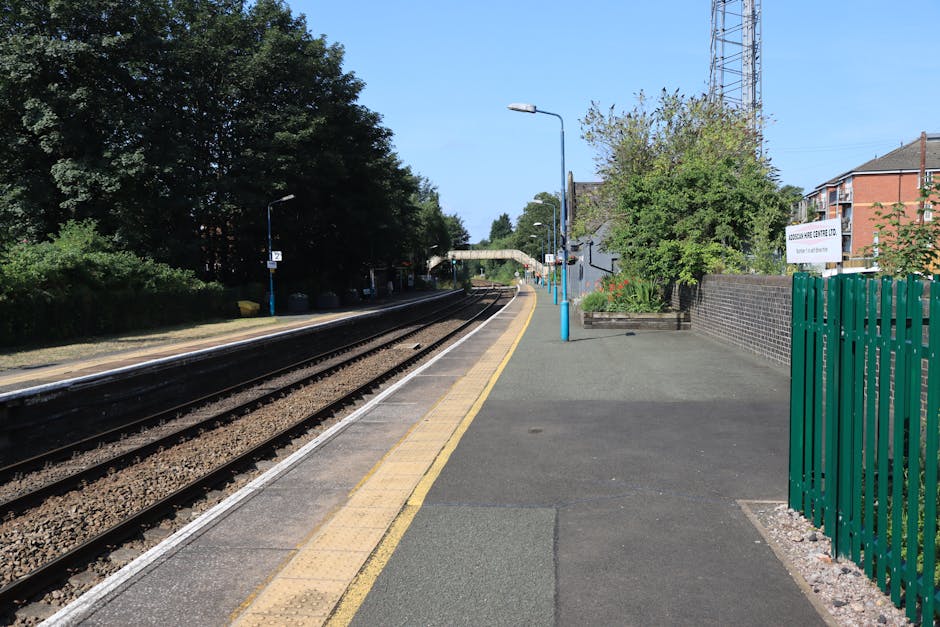
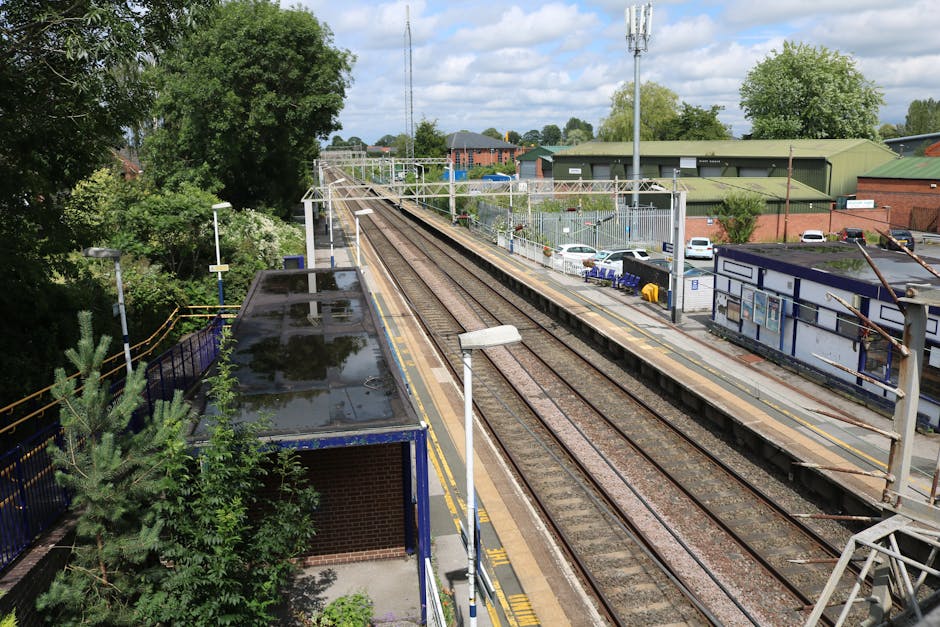
Rayners Lane station removals Eastcote van access insider tips
If you are planning a move around Rayners Lane station and trying to work out how van access in Eastcote fits into the picture, you are not alone. The roads, parking rules, station-adjacent traffic, and the simple hassle of getting a van close enough to the door can make a small move feel oddly complicated. This guide to Rayners Lane station removals Eastcote van access insider tips is built for exactly that problem: how to make the move smoother, safer, and less stressful from the first phone call to the final box down. Truth be told, most moving headaches are not about lifting furniture. They are about access.
You will find practical advice on planning, vehicle choice, timing, loading, and the little local details that make a big difference. There are also clear next steps, a comparison table, a checklist, and a realistic example drawn from the kind of move people do every day in this part of North West London. No fluff. Just useful, local, grounded guidance.
Table of Contents
- Why Rayners Lane station removals Eastcote van access insider tips Matters
- How Rayners Lane station removals Eastcote van access insider tips Works
- Key Benefits and Practical Advantages
- Who This Is For and When It Makes Sense
- Step-by-Step Guidance
- Expert Tips for Better Results
- Common Mistakes to Avoid
- Tools, Resources and Recommendations
- Law, Compliance, Standards, or Best Practice
- Options, Methods, or Comparison Table
- Case Study or Real-World Example
- Practical Checklist
- Conclusion
- Frequently Asked Questions
Why Rayners Lane station removals Eastcote van access insider tips Matters
Moves near Rayners Lane station can look easy on a map and then turn awkward the moment a van arrives. That is usually because station areas have a mix of dropped kerbs, tighter side roads, busier traffic windows, and parking that disappears quickly. Add Eastcote into the mix and you often have a second layer of planning: residential streets, controlled parking, and the usual pressure of trying to keep things moving without blocking anyone.
The reason these insider tips matter is simple. A move goes wrong in small ways first. The van ends up parked too far away. Someone has to carry a wardrobe across a narrow pavement. A lift is missed. The driver circles once, then twice, and the loading time stretches. Suddenly what should have been a tidy half-day job feels like a minor marathon. Nobody needs that on moving day.
There is also the human side. If you are moving with children, older relatives, fragile items, or a fairly full home, every extra step matters. In our experience, people tend to underestimate how much time access problems add. It is not dramatic. It is just annoying. And exhausting, by the end of it.
Practical takeaway: if you sort out access before the first box is packed, you usually save time, money, and a fair bit of stress.
How Rayners Lane station removals Eastcote van access insider tips Works
The process is less mysterious than it sounds. First, you assess the route from the property to the van. Then you match the vehicle size to the street conditions, the volume of your belongings, and the loading space available. After that, you choose a moving window that reduces disruption and gives the crew enough room to work properly.
For station-area moves, the real question is not just "can a van get there?" It is "can a van stop safely, load efficiently, and leave without making the day awkward for everyone else?" That means checking turning space, road width, nearby parking restrictions, and whether there is room for a vehicle to wait if needed.
Eastcote van access often works best when the move is treated as a logistics puzzle rather than a simple collection job. A smaller vehicle may be the smarter choice if access is tight. A larger van may still work if there is a clear loading point and a sensible time slot. You do not always need the biggest vehicle. Sometimes you need the right one.
If you are comparing moving options, pages such as man and van, moving van, and removal van are useful starting points because they reflect different job sizes and access needs.
Key Benefits and Practical Advantages
When access is planned properly, the benefits show up fast. The move runs more smoothly, the team wastes less time, and you reduce the chance of damage from repeated carrying or awkward lifting. That alone is worth the effort.
- Less lifting distance: the closer the van can park, the fewer trips your crew or helpers need to make.
- Lower risk of damage: fewer handovers and shorter carries usually mean fewer bumps and scrapes.
- Better time control: access planning helps you estimate the real duration of the move, not just the packing time.
- Less neighbour friction: nobody enjoys blocking a road or sitting with hazard lights flashing for too long.
- More suitable vehicle choice: the street sometimes tells you what size van is sensible. Listen to it.
There is another advantage people often miss: mental clarity. Once you know where the van will go, what route the items will take, and where the bottlenecks are, the whole day feels calmer. A calm move is a better move. Simple as that.
Who This Is For and When It Makes Sense
This topic matters to anyone moving near Rayners Lane station or into Eastcote where access may be less straightforward than a standard driveway move. It is especially relevant if you are:
- moving from a flat with shared access
- relocating from a terraced house with limited road space
- working around station traffic, commuter times, or controlled parking
- moving a mix of boxes and furniture rather than a single-item pickup
- trying to keep the job quick and cost-effective
- booking a professional team and want to avoid awkward surprises on the day
It also makes sense if you are a local business preparing for a small office or retail move and need a practical loading plan. In that case, the discussion usually shifts from domestic access to timing, equipment, and whether a broader service such as office removals or commercial moves is the better fit.
For smaller household jobs, you may find it easier to think in terms of service style rather than big-company language. A focused man with van arrangement can be ideal where access is tight and the load is modest. Bigger homes often need a more structured approach, such as house removals or help from experienced house movers.
Step-by-Step Guidance
Here is a sensible way to approach the move. Not fancy, just effective.
- Walk the route. Start at the front door, gate, or lift and follow the path to where the van would stop. Count steps, note tight corners, and look for anything that will snag a sofa or fridge.
- Check vehicle access early. Think about width, kerb height, turning room, and whether there is space to load without blocking access for others.
- Choose the right moving type. If the load is small, a man and van removals option may be enough. If you are moving more substantial furniture, a proper removal van or even a moving truck might be more suitable.
- Sort parking and timing. Avoid peak congestion when possible. Early morning often works well, but you still need to consider residents, commuters, and delivery traffic.
- Pack by loading order. Put the heaviest and least fragile items near the route to the van. The crew should not have to reshuffle everything on the pavement. That is just chaos with extra steps.
- Protect the property and the route. Use blankets, corner guards, and sturdy tape where needed. Door frames and tight stairwells deserve attention.
- Confirm the final plan the day before. A quick call or message can prevent a lot of misunderstandings. Address changes and access notes need to be current, not "I think it's the same as before."
If packing is part of the job, support from packing and unpacking services can remove a lot of the pressure. It is one less thing to worry about, and to be fair, that can feel like a small miracle on moving week.
Expert Tips for Better Results
These are the little things that tend to separate a smooth move from a stressful one.
- Use a measuring tape, not guesswork. A wardrobe that "should fit" can become a problem at the last corner. Measure doorways, stair turns, and the longest item.
- Keep a buffer for loading time. Station-area access can be unpredictable. A van that arrives on time is great, but the street may still be busy.
- Label boxes by room and priority. This speeds up unloading and helps if the van has to be parked a little further away than planned.
- Move the essential items separately. Documents, chargers, medication, kettle, and a basic toolkit should stay with you. Nobody wants to find those under a stack of bedding at 8 p.m.
- Think about return access too. It is easy to plan the arrival and forget the departure. Can the van leave cleanly after unloading?
- Use plain language with your mover. Say "narrow gate," "one-way street," "tight turning space," or "loading bay shared with neighbours." Plain English saves time.
A useful local habit: if the street looks tight at 10 a.m., it may feel very different at 4 p.m. School runs, commuting, and shopping traffic all change the picture. The same road can behave like a different place. Slightly dramatic, but true.
If you want a reliable starting point for choosing the right provider, look at the wider service pages such as removal services, removals, and removal company to understand how service scope affects access planning.
Common Mistakes to Avoid
Most mistakes are avoidable. The tricky part is that they often look harmless at the planning stage.
- Assuming a van can stop "just anywhere." Around station areas, that assumption tends to age badly.
- Underestimating how far items must be carried. Fifty extra metres is not a disaster, but it does change the job time and effort.
- Forgetting about stairs, lifts, and communal corridors. These spaces are where furniture gets caught, scraped, or delayed.
- Leaving everything to the moving morning. That is how small access problems become big ones.
- Choosing the wrong vehicle size. Too small means multiple trips. Too large may mean parking issues.
- Not telling the mover about restrictions. If there is a height barrier, a loading bay rule, or a permit issue, say it early.
One more thing people forget: a move can be perfectly legal and still be inconvenient. That is not a failure, just logistics. Good planning turns inconvenience into a manageable detail instead of a full-blown headache.
Tools, Resources and Recommendations
You do not need a mountain of equipment, but a few practical tools make the day easier.
- Measuring tape: for doors, sofas, beds, and awkward corners.
- Floor plan or rough sketch: especially useful for flats, maisonettes, and shared entrances.
- Labels and marker pens: simple, visible, and incredibly helpful.
- Blankets, straps, and wraps: useful for protecting furniture and keeping items stable in transit.
- Phone photos of access points: send them to the mover if the layout is complicated. A picture clears up a lot.
- Quote and booking notes: keep key details together so nothing gets lost between messages.
When you are comparing providers, it is worth checking practical trust pages too. For example, insurance and safety matters if valuable or fragile items are being moved, while health and safety policy details can reassure you that the work is being planned properly. If sustainability matters to you, the page on recycling and sustainability is also worth a look.
Law, Compliance, Standards, or Best Practice
For a local removal around Rayners Lane station and Eastcote, the important point is not to turn the move into a legal puzzle. It is to follow normal UK best practice around parking, access, safety, and property care.
That usually means respecting local parking restrictions, not blocking dropped kerbs, keeping pavements clear where possible, and making sure the loading arrangement does not create avoidable risk for pedestrians or neighbours. If a permit or parking arrangement is needed, it should be sorted in advance rather than assumed on the day.
Professional movers should also work in a way that protects people and property. That includes safe lifting, sensible stacking, and clear communication. A proper service will usually explain any limits around access, liability, timing, and cancellations in its terms. If you want to review the broader framework, the pages on terms and conditions and payment and security are useful background reading.
Another practical point: if the move involves business premises, shared corridors, or communal parts of a building, best practice is to keep disruption minimal and leave the space as you found it. It sounds obvious. Yet this is exactly where issues tend to crop up.
Options, Methods, or Comparison Table
Choosing the right approach depends on volume, access, and how much help you want on the day. Here is a simple comparison to make that decision easier.
| Option | Best for | Access advantage | Possible drawback |
|---|---|---|---|
| Man and van | Small to medium domestic moves, single trips, mixed boxes | Flexible and usually easier to fit into tighter streets | May need multiple trips for larger loads |
| Removal van | Typical household moves with more furniture | Good balance between capacity and manoeuvrability | Can still be awkward on very tight roads |
| Moving truck | Larger homes or heavier inventories | High capacity for long loading runs | Not always ideal where access is cramped |
| House removals | Full property moves needing structured support | Better planning and coordination for complicated jobs | Usually overkill for smaller relocations |
If you are unsure where your move fits, start small and be honest about the load. Many people think they need a bigger vehicle than they do. Others do the opposite and end up sweating through the final hour. The sweet spot is somewhere in the middle.
Case Study or Real-World Example
Picture a standard move: a two-bedroom flat near Rayners Lane station, with a narrow frontage, limited waiting space, and a side road that fills up quickly after breakfast. The customer has a sofa, a bed, two wardrobes, and a fair number of boxes. Nothing outrageous, but enough to need proper planning.
Instead of sending a large vehicle straight into the tightest access point, the move is planned with a smaller, more manoeuvrable van and a clear loading order. The heavy items are moved first, the boxes are stacked in a room nearest the exit, and the lifting route is cleared before the van arrives. The team keeps the stop short, avoids blocking the road longer than necessary, and unloads in one clean run at the other end.
What made the difference? Not brute force. Planning. A quick access check, a realistic vehicle choice, and sensible timing. That is usually how the best local moves work. There is a quiet satisfaction in seeing everything fit together properly, almost like the day finally exhaled.
For larger moves with more moving parts, the same principle applies but the support level changes. You may want home moves support, or for business jobs, a service like office relocation services. Different loads, same logic.
Practical Checklist
Use this before moving day. It is short on purpose.
- Measure the main furniture and key access points.
- Check whether the van can stop close to the property.
- Confirm parking restrictions, time limits, or loading rules.
- Decide whether a man and van, removal van, or moving truck is most suitable.
- Tell the mover about stairs, lifts, gates, and narrow paths.
- Pack essentials separately for quick access.
- Label boxes by room and priority.
- Protect floors, corners, and door frames where needed.
- Share photos if the access is complicated.
- Reconfirm timing the day before.
Helpful reminder: if anything about access feels uncertain, say so early. A good mover would rather hear about a tricky entrance now than discover it with a sofa halfway through the hallway. Nobody enjoys that moment.
Get a free quote today and see how much you can save.
Conclusion
Rayners Lane station removals and Eastcote van access planning are really about one thing: making the day easier by removing the avoidable friction. If you get the access right, the rest of the move tends to fall into place more smoothly. The van parks where it should, the items move faster, and the whole job feels far less chaotic.
That is the real insider tip here. Not a secret shortcut, just a better way to think about the move. Measure first. Plan the route. Match the vehicle to the street. Then let the rest unfold without drama if you can help it. And if it still feels like a lot, that is fair too. Moving is a lot, full stop. But with the right plan, it does not have to feel overwhelming.
Take it one step at a time, and you will be fine.
Frequently Asked Questions
What does Rayners Lane station removals Eastcote van access actually mean?
It refers to planning a removal around Rayners Lane station and Eastcote with a focus on whether a van can access the property safely, stop nearby, and load without avoidable delays. The access part is often the difference between a quick job and a frustrating one.
Why is van access such a big issue near Rayners Lane station?
Station areas often have busy traffic, limited stopping space, and a mix of parking restrictions. Even when the route looks simple, loading can be awkward if there is nowhere sensible for the van to wait or park.
Is a man and van service enough for a move in Eastcote?
Sometimes yes, especially for smaller homes, student moves, or partial loads. If you have larger furniture or multiple rooms' worth of belongings, a more structured removal van or full removal service may be better.
How do I know what size van I need?
Start by listing your biggest items, then measure them. If access is tight, a slightly smaller but more manoeuvrable van can be smarter than trying to squeeze in a larger one.
Should I worry about parking before moving day?
Yes, at least a little. Parking and stopping space can shape the entire move. Even if a formal permit is not needed, knowing exactly where the van will stop is a very good idea.
What should I tell the mover about access?
Share anything that could affect the move: narrow gates, stairs, lifts, low branches, shared driveways, road restrictions, loading bays, or long walking distances from the property to the van.
Can packing services help with access problems?
They can help a lot because well-packed items are easier to carry, stack, and load. They do not solve poor parking, of course, but they do reduce the amount of time spent handling awkward items.
What is the safest way to move heavy furniture near a station area?
Use proper lifting methods, keep the route clear, and avoid overloading one person. For heavier items, it is usually better to use a team and the right equipment rather than trying to improvise.
How far in advance should I book a local removal?
As early as you reasonably can, especially if you need a specific time slot or if access is tricky. That said, even short-notice moves can work well if the details are clear.
What if my street is too tight for the vehicle I originally planned?
Then you adjust the plan. That may mean using a smaller van, changing the loading point, or splitting the move into more than one trip. Flexibility is usually the smartest response.
Are commercial and home moves planned differently?
Yes. Home moves focus more on furniture, household packing, and family timing. Commercial moves often need more attention to opening hours, business continuity, and shared access areas. The access principles are similar, but the pressure points differ.
What should I check in the mover's terms or safety information?
Look for clarity around what is included, how access issues are handled, what happens if the move takes longer than expected, and how items are protected in transit. The details matter more than the sales language.
Where can I find more information about the company before booking?
It is sensible to review pages such as about us, insurance and safety, pricing and quotes, and contact us so you know who you are dealing with and how the booking process works.