




Pinner Road to Rayners Lane removals route planning
Posted on 14/05/2026
If you are moving from Pinner Road to Rayners Lane, the route itself may look simple on a map, but the real-life planning behind it is where the difference gets made. A removals journey that should feel straightforward can quickly become awkward if you miss parking restrictions, rush hour traffic, narrow access, or the little details that make loading and unloading slower than expected. That is exactly why Pinner Road to Rayners Lane removals route planning matters. It is not just about getting from A to B. It is about choosing the right vehicle, the right departure time, the right loading method, and the right backup plan if the day throws a curveball.
In this guide, we will walk through how the route planning process works, why it saves stress, and how to make sensible decisions before moving day. If you are also comparing service options, it helps to understand the wider support available through removal services in Eastcote, especially when you need a more flexible move than a simple van booking. A bit of planning goes a long way. Truth be told, it can save the whole day.
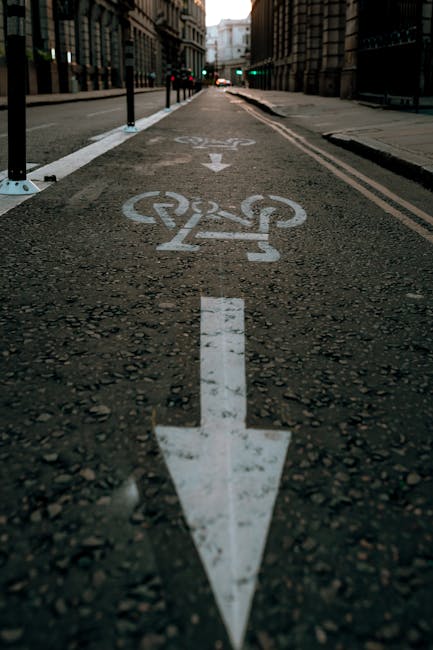
Why Pinner Road to Rayners Lane removals route planning Matters
On paper, Pinner Road and Rayners Lane are close enough that some people assume the move will be quick and easy. But removals are rarely just about the distance between two postcodes. You are dealing with timing, loading bays, garden access, stairwells, front-garden turns, shared driveways, and the simple fact that one badly parked car can throw off your schedule. That is why route planning becomes part logistics, part risk management.
For a domestic move, even a short route can have ripple effects. If the van leaves at the wrong time, it may hit congestion around school runs, commuter traffic, or local road pinch points. If the arrival window is too tight, your team may be forced to wait outside while you find keys, clear hallways, or move a sofa that would have fitted just fine with a different approach. It is not dramatic. It is just how moving days work.
Good route planning also reduces wear and tear on your belongings. Faster loading, fewer hand-backs, less standing around with heavy items in the rain or cold. Those little improvements add up. They matter even more if you are moving a full household, handling awkward furniture, or coordinating fragile items alongside everyday boxes.
Expert summary: the best route plan is not always the shortest route. It is the one that protects time, access, and the condition of your belongings while keeping the move calm and controlled.
If you are moving a home rather than a single item, the broader service matters too. Many people find it helpful to look at house removals support in Eastcote when they want a more structured moving day, or flat removals help if stairs, shared entrances, and tight access are likely to be part of the picture.
How Pinner Road to Rayners Lane removals route planning Works
Route planning for this move starts long before the van turns a wheel. The process usually begins with a quick look at origin and destination access, then expands into timing, vehicle choice, and unloading order. In other words, you are planning the journey and the handling of the items at both ends. That is the real job.
The typical flow is simple enough:
- Assess the starting point. Check whether there is driveway access, controlled parking, shared access, or road restrictions on Pinner Road.
- Check the delivery point. Rayners Lane properties can vary a lot, from maisonettes to family homes, so unloading conditions may be very different.
- Plan the vehicle size. A van that is too large can make street manoeuvring harder; too small can mean extra trips.
- Pick a sensible travel window. Avoid obvious congestion periods where possible.
- Map the loading order. Load heavy, stable furniture first, then boxes, then fragile or awkward pieces.
- Keep a fallback plan. If parking is blocked or access changes, know where the van can stop safely.
That sounds organised, but there is also a bit of judgement involved. A removal crew might choose a slightly longer route if it avoids awkward turns, low bridges, or a road that tends to get clogged with traffic near the school run. A five-minute detour can save twenty minutes of reversing and shuffling. Makes sense, really.
Route planning also overlaps with packing and item protection. If you are still at the stage of sorting boxes, the guidance in packing correctly for a move can help you organise items in a way that supports the route plan. Heavier boxes should not end up buried under fragile ones, and the van load should always be arranged so the first items off are the easiest to reach.
Key Benefits and Practical Advantages
Route planning is one of those tasks that only looks invisible when it works well. You will not celebrate it at the end of the day, but you will feel the difference. The van arrives on time, the move flows, and nobody is wandering around looking for a parking space while the kettle, curtains, and half the dining room are still outside.
Here are the main advantages:
- Less waiting around: better timing reduces dead time for everyone involved.
- Safer handling: fewer rushed lifts, fewer awkward carries, less strain on people and items.
- Reduced vehicle risk: the right route lowers the chance of damage from tight turns, poor access, or sudden congestion.
- Better customer experience: a planned move tends to feel more reassuring and less chaotic.
- Cleaner scheduling: you can align key collection, handover, storage drop-offs, and unloading in one smoother sequence.
There is also a practical financial angle. The more predictable the move, the easier it is to control labour time and avoid extra mileage or delays. If you are comparing quotes, it is worth looking at pricing and quote information so you can understand how route complexity, waiting time, and access conditions may affect the final cost.
And for delicate or bulky items, route planning can save you from making the wrong call on the day. A piano, for example, is not something you casually improvise with. If you have a special item, the advice on professional piano removals is well worth a look.
Who This Is For and When It Makes Sense
Not every move needs a deep logistics plan. If you are taking a small number of boxes across town on a quiet afternoon, your needs may be modest. But for most people moving between Pinner Road and Rayners Lane, route planning becomes important as soon as one of the following applies:
- You have furniture that needs careful loading or dismantling
- You live on a busy road with limited stopping space
- You are moving from or into a flat, maisonette, or upper-floor property
- You have children, pets, or work commitments that make delays difficult
- You need to coordinate key collection, storage, or a same-day handover
- You are moving heavier household items, such as beds, wardrobes, or appliances
Students and first-time movers often assume route planning is something only larger removals companies think about. It is not. Even a modest move can get messy if boxes are packed in the wrong order or the van cannot park close enough. If that sounds familiar, the student removals service may be useful if you need a lighter, faster option, while man and van support can be a smart fit for smaller moves.
To be fair, route planning is for anyone who values a calmer day. Not glamorous, but very useful.
Step-by-Step Guidance
If you want to handle Pinner Road to Rayners Lane removals route planning properly, break it into manageable stages. Do not try to solve everything at once. That usually ends with a rushed packet of biscuits, three missing bin bags, and a van in the wrong place.
1. Confirm both addresses and access details
Start with the basics: exact property numbers, entrance points, lift access, staircases, and any restrictions on stopping outside. A good move begins with boring details. That is normal.
2. Walk through the items that need moving
List large furniture, fragile items, electronics, and anything unusually heavy or awkward. This helps you decide whether you need disassembly, extra helpers, protective covers, or storage. If you have a sofa that may need careful transit, the guide on sofa storage and protection offers useful planning ideas even if you are not storing the item for long.
3. Choose the vehicle and loading method
Vehicle choice affects everything. A compact van may be easier on a tight street, while a larger removal van may reduce trips. If your move includes multiple bulky items, the page on removal van options can help you think through capacity and access considerations.
4. Time the move sensibly
Early morning often works well because roads are calmer and you have more daylight ahead of you. That said, if school traffic or local parking pressure is an issue, the best slot might be slightly later. The point is not to chase a perfect time. It is to choose a realistic one.
5. Plan the load order
Load in reverse order of need. The items you will want first at the destination should be easiest to reach. Keep a small essentials bag with keys, chargers, snacks, tea bags, and paperwork. You will thank yourself later.
6. Build in a buffer
Route planning should always include a margin for traffic, loading delays, and unexpected access problems. A move that looks like a one-hour hop can easily take more once you factor in stairs, parking, and the inevitable "just one more box" moment.
If you need extra help with sorting and packing before the move, the article on decluttering before moving house pairs well with route planning, because a lighter move is usually a simpler move. There is also a practical angle to safe lifting, which is covered in lifting technique advice for heavier objects.
Expert Tips for Better Results
Here is where a bit of practical experience helps. The shortest route is not always the smartest, and the smartest route is not always the one your sat nav suggests first. A removals route needs context.
- Check for local parking realities, not just road names. A street can look fine online and still be awkward on the day.
- Keep an eye on weather. A wet morning changes loading speed, grip, and the amount of protection you need on floors and furniture.
- Protect the items most likely to move in transit. Soft goods, mirrors, and tall furniture need extra attention.
- Use labels that mean something. Not just "kitchen," but "kitchen - first unload" or "bedroom - fragile."
- Pre-clear entrances. Shoes, mats, plant pots, and baskets near the door seem harmless until you are carrying a wardrobe through the hallway.
- Keep communication simple. One person should coordinate directions, parking, and timing. Too many voices can slow everything down.
One small but useful habit: stand at the front door and imagine the biggest item leaving the property. Where does it turn? What catches? What needs moving first? That tiny rehearsal often exposes a problem before it becomes a headache. It is a bit old-school, maybe, but it works.
If you are dealing with household furniture that needs temporary holding or longer storage, take a look at storage options in Eastcote. For many moves, storage is not a last resort; it is the pressure valve that makes route planning much easier.

Common Mistakes to Avoid
Most moving-day problems are not dramatic failures. They are small planning oversights that stack up. The good news? They are pretty avoidable once you know what to watch for.
- Assuming access will be easy: even when the postcode is close, the property layout may not be.
- Ignoring parking restrictions: permit zones, loading limits, and busy street patterns can all affect the move.
- Packing too late: if the route is planned but boxes are still half-done, you lose the benefit of preparation.
- Overstuffing boxes: heavy boxes are harder to carry and more likely to split.
- Forgetting fragile items in the load sequence: they should not be wedged behind everything else.
- Not telling the removal team about special items: pianos, oversized mirrors, freezers, and exercise equipment all need different handling.
One of the most common errors is underestimating how long unloading takes. People often focus on departure and forget that getting everything into the right room is where the time can quietly disappear. If that sounds familiar, the guide on preparing a home for new occupants is helpful because clean, clear spaces make unloading easier, and honestly, less tense.
Another trap is trying to do too much alone. A small move can become a very long afternoon if you are carrying heavy items without the right support. And yes, that includes the "I can probably manage this myself" moment we all have. Sometimes that confidence is charming. Sometimes it is just asking for a sore back.
Tools, Resources and Recommendations
You do not need fancy software to plan a move well, but a few tools make the process smoother. The aim is clarity, not complexity.
| Tool or Resource | What It Helps With | Why It Matters for This Route |
|---|---|---|
| Route map or navigation app | Checking travel time, traffic, and route alternatives | Helps you avoid congestion and awkward turns |
| Room-by-room inventory list | Planning load order and unload sequence | Makes the move more organised from start to finish |
| Labels and tape | Identifying boxes and fragile items | Speeds up unloading at Rayners Lane |
| Furniture covers and blankets | Protecting larger items in transit | Useful for short local journeys where items still shift around |
| Parking check notes | Recording permits, bays, and access limitations | Prevents avoidable delays on the day |
For smaller household moves, a flexible service can be enough. For bigger or more awkward jobs, compare it with a fuller moving package. If you are still weighing up whether a moving van, helpers, or full removals support is best, the page on removals in Eastcote is a sensible place to start, as is the wider removal services page for understanding the available options.
And if you want to know a little more about the people behind the service, the about us page gives useful background on the business and its approach. That can matter more than people think. A moving day is personal; trust is part of the service.
Law, Compliance, Standards, or Best Practice
For a local removal route, the main compliance concerns are usually practical rather than complicated. You are not usually dealing with special permits for a short domestic move, but you do need to respect parking rules, road restrictions, safe loading practices, and property access arrangements. In London, those day-to-day details are often what make the difference between a smooth move and a stressed one.
Best practice typically includes:
- Using legal parking or loading areas where required
- Avoiding obstruction of drives, crossings, or emergency access
- Keeping walkways clear during loading and unloading
- Handling heavy goods in a way that reduces injury risk
- Checking whether the property or building has its own moving rules
Health and safety should not be treated as a box-ticking exercise. A sensible removals team will think about floor protection, lifting technique, item stability in the van, and whether any object needs two people rather than one. If you want a closer look at safety expectations, the health and safety policy and insurance and safety information are relevant reads.
For customers handling items that may be recycled, donated, or disposed of during the move, it is also sensible to think about sustainability. The page on recycling and sustainability gives a useful sense of how a more responsible move can be organised. Not every move needs to be wasteful. Far from it.
Options, Methods, or Comparison Table
There is more than one way to handle a local move between Pinner Road and Rayners Lane. The right choice depends on how much you are moving, how much time you have, and whether you need help at both ends.
| Option | Best For | Strengths | Limitations |
|---|---|---|---|
| Man and van | Small to medium local moves | Flexible, efficient, cost-conscious | May need more planning for large furniture or multiple trips |
| Full removals service | Households with more items or more complex access | More support, better coordination, less heavy lifting for you | Usually more involved to arrange |
| Self-managed van hire | Very small moves or confident DIY movers | More control over timing | You handle all loading, driving, and problem-solving yourself |
| Same-day removals | Urgent or fast-turnaround moves | Quick response, useful when plans change | Less room for delay or rescheduling |
If you are moving a flat or student accommodation, a flexible option often makes the most sense. For those situations, flat removals and student removals are often a good fit because they match the scale and pace of the move.
One practical rule of thumb: if the move involves stairs, tight corners, fragile furniture, and a time pressure all at once, go for the method that lowers stress, not the one that looks cheapest on paper.
Case Study or Real-World Example
Here is a simple real-world style example. Imagine a family moving from a home off Pinner Road into a property near Rayners Lane station. The house has a decent amount of furniture: two beds, a sofa, a dining table, several boxes, and a freestanding freezer that needs careful handling. The new property has limited outside space, and the road outside gets busy around late morning.
Without planning, the move might start too late, the van might struggle to park, and the team might end up carrying heavy items farther than expected. That would slow everything down. A better plan would be to load early, confirm parking options the night before, and place bulky furniture so it can be unloaded in the order the rooms need it.
In that same situation, a separate storage stop could make sense if the new property is not quite ready or if some furniture will not fit immediately. The guide on storing a non-operational freezer is more specific, but it reflects the same principle: some items need a little extra planning, not just a lift and a hope.
The family in this example would likely benefit from:
- early loading before traffic builds up
- clear access notes for both addresses
- protective wrapping for the sofa and table edges
- an unloading sequence based on room priority
- optional storage for items not needed on day one
Nothing flashy. Just a move that feels more controlled and less like organised panic. Which, let's face it, is the goal.
Practical Checklist
Use this checklist a few days before your move. It keeps the route plan anchored in real tasks, not vague good intentions.
- Confirm the exact moving date and time window
- Check parking and access at both properties
- Identify any stairs, narrow halls, or tight corners
- List heavy, fragile, and awkward items separately
- Decide whether furniture needs dismantling
- Choose the correct van size or service level
- Plan the loading order and first-unload items
- Prepare labels, tape, covers, and wrapping materials
- Set aside essentials you will need immediately after arrival
- Check whether you need storage, cleaning, or a second trip
- Share the plan with everyone involved in the move
- Keep contact details handy for the removals team
If you still need boxes or wrapping materials, the page on packing supplies and boxes is a practical support point. Small things matter. A missing roll of tape has a funny way of slowing the entire morning.
Get a free quote today and see how much you can save.
Conclusion
Pinner Road to Rayners Lane removals route planning is really about giving your move a better shape before the first box is lifted. When the access is checked, the timing is sensible, the load order is thought through, and the route has been chosen with local conditions in mind, everything gets easier. You move faster, you protect your belongings better, and the whole day feels less like a scramble.
Whether you are moving a full family home, a flat, or just a few important items, the best plan is the one that fits your real situation. Not the fanciest one. Not the one with the most assumptions. The one that works in the real world, on a real street, with real traffic and real people trying to get on with their day.
And that is the quiet value of good removals planning: it gives you room to breathe. A little less stress, a little more control, and a move that feels, well, properly handled.