



Hillingdon council restrictions for Eastcote street loading
Posted on 30/07/2026
Hillingdon Council Restrictions for Eastcote Street Loading: A Practical Guide for Safer, Smoother Moves
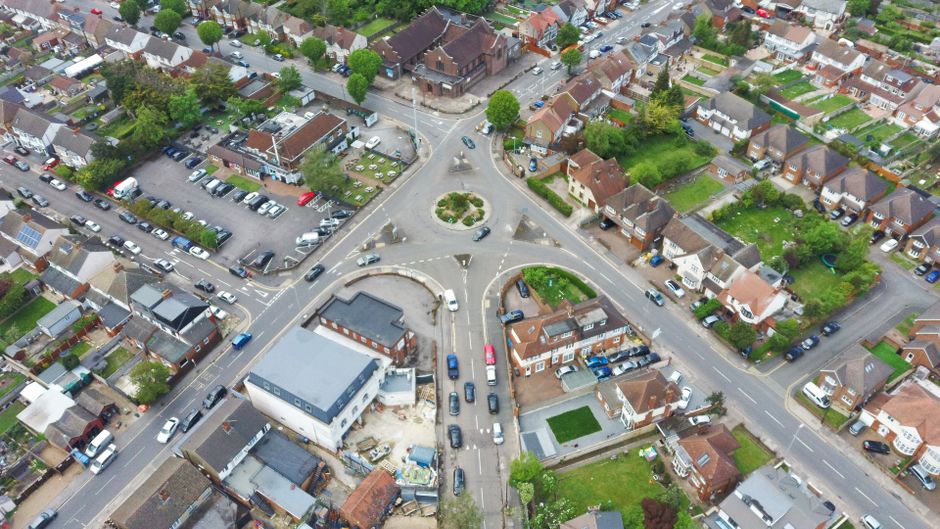
If you are planning a move, a delivery, or even a heavy furniture drop-off in Eastcote, the phrase Hillingdon council restrictions for Eastcote street loading can quickly go from "administrative detail" to the one thing that decides whether your day runs smoothly or turns into a headache. Street loading is rarely just about pulling up and unloading. In Eastcote, as in much of West London, the reality is shaped by kerb space, traffic flow, yellow lines, access needs, local parking controls, and whether your vehicle can legally stop where you need it to stop. Sounds simple. It usually isn't.
That is why this guide breaks the topic down in plain English. You will learn what street loading actually means in practice, why the restrictions matter, how to plan around them, and what mistakes tend to cause avoidable delays. We will also look at the difference between a quick loading stop and a more organised move, along with the small details that can save you a lot of stress on the day. If you are arranging removals, a van job, or a tricky flat move, this is the sort of preparation that pays for itself.
Why Hillingdon council restrictions for Eastcote street loading Matters
Street loading restrictions matter because the loading bay, kerb space, and stopping permissions are what stand between you and a calm move. In Eastcote, roads can be busy, narrow, or heavily parked, and that makes "just stop here for five minutes" a lot more complicated than people expect. A van parked badly can block traffic, upset neighbours, attract enforcement, or force you to carry sofas, beds, and boxes much further than planned. And when you are moving a heavy wardrobe up a tight staircase, every extra metre counts. Honestly, you feel it in your shoulders by the second trip.
For homeowners, tenants, students, and businesses alike, these restrictions affect timing, access, vehicle choice, and even how many people you need on site. They also affect whether your move starts with confidence or with a nervous glance at the clock. If you have ever watched a driver circle for ten minutes while everyone stands at the door with a mattress, you will know the feeling.
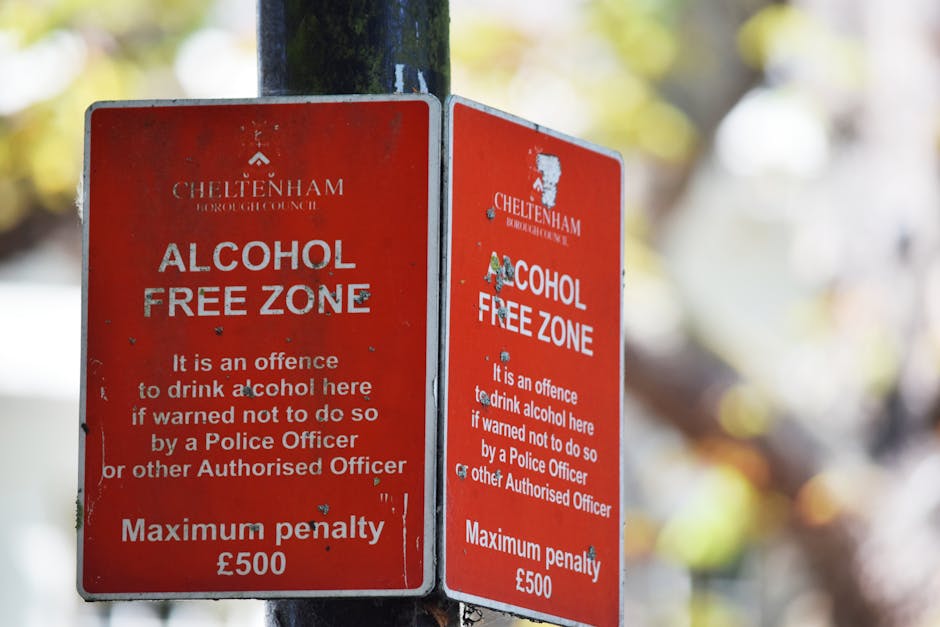
There is also a wider point: street loading rules exist to balance access with safety and traffic management. That means local restrictions are not there to make life awkward for the sake of it. They are there to reduce obstruction, keep junctions clear, and maintain a usable road network. The smarter approach is not to fight the rules, but to build your move around them.
If your move is part of a bigger relocation plan, it can help to think ahead with the same discipline you would use for packing or decluttering. A good starting point is to review practical guidance such as the ultimate decluttering strategy for moving houses and packing basics done properly, because the less time you spend loading, the less exposure you have to roadside issues.
How Hillingdon council restrictions for Eastcote street loading Works
In practical terms, street loading rules usually come down to three questions: where can the vehicle stop, for how long, and under what conditions. In many local areas, a vehicle may be able to stop briefly for loading or unloading, but that does not automatically mean it can park there for an extended period, or that every road marking allows the same activity.
The main features you need to watch are usually:
- single yellow lines and any time-based restrictions
- double yellow lines, where stopping rules are stricter
- loading bay markings, if a designated bay exists
- residents' bays, shared-use bays, or limited waiting spaces
- kerbside access at junctions, crossings, and corners
- temporary access issues caused by roadworks or local events
For a house move, the key question is not only whether the van can stop, but whether it can stop close enough to make loading realistic. A permitted stop on paper can still be awkward in real life if the vehicle is half a street away from the front door. That is why route planning matters. If your street is tight, use the front access point wisely and keep the loading sequence tight and organised.
Another thing people often miss is timing. Restrictions can differ at different times of day. Early morning may be easier than school-run time. Mid-afternoon can be calmer than the evening peak. A short loading window on a quiet street can be perfectly workable, while the same street an hour later becomes a mess. The road can look identical, but the risk level changes completely. Funny how that works.
If you are coordinating a move involving a van service, a local crew, or a same-day job, it is worth reading Hillingdon council parking rules for Eastcote removals alongside this guide. Parking and loading are related but not identical, and that distinction matters a lot.
Key Benefits and Practical Advantages
Getting street loading right is not just about avoiding a ticket. It improves the whole move in ways people only notice when things go wrong. When access is planned properly, the process is quicker, safer, and less physically draining. The van can be positioned sensibly, the team can work in rhythm, and the heaviest items do not spend half the morning being dragged around kerbs and potholes.
Some of the main benefits are straightforward:
- Reduced delays: less circling, less waiting, fewer interrupted loading runs.
- Lower lifting strain: shorter carry distances mean less fatigue and fewer accidents.
- Better property protection: fewer awkward turns through gates, cars, hedges, and tight paths.
- Lower risk of enforcement issues: fewer disputes over where the vehicle stopped.
- More predictable scheduling: easier to keep the move within the booked window.
There is also a psychological benefit. People underestimate this one. When access is sorted, everything feels calmer. The team is not waiting for a parking slot, the boxes are not stacked on the pavement, and you are not doing that awkward little dance of checking the clock every two minutes. It matters.
For Eastcote residents dealing with flats, narrow roads, or limited frontage, the difference can be huge. A well-planned loading approach can turn a stressful relocation into a controlled, fairly ordinary job. That is what you want, really. Ordinary is good on moving day.
Who This Is For and When It Makes Sense
This guidance is useful for almost anyone arranging loading or unloading in Eastcote, but it becomes especially important in a few common situations.
- Home movers who need a van close to the entrance for furniture and boxed items.
- Flat movers dealing with limited frontage, stair access, or shared streets.
- Students moving with smaller volumes but tight time windows and limited parking options.
- Office movers who need efficient curbside handling for desks, chairs, and IT equipment.
- Large-item deliveries such as sofas, beds, wardrobes, white goods, or pianos.
It also makes sense if you have already had a move go wrong before. Maybe the van arrived, but there was nowhere legal to stop. Maybe you had to carry items too far, and the job took twice as long. Or perhaps the driver found a spot, but it blocked neighbours and created tension before the first box was even out. To be fair, nobody wants that start to the day.
If your move involves difficult access as well as street restrictions, you may want to compare your options with practical local reading like Eastcote High Road flat removals for narrow streets or Eastcote station removals tips for tight access. Those pages are especially useful if you are weighing up how much planning your access route needs.
Step-by-Step Guidance
Here is the simplest way to approach street loading in Eastcote without overcomplicating things.
- Check the street itself first. Look at road markings, nearby junctions, and whether the curbside space is genuinely usable for loading. Do not assume the nearest spot is the best spot.
- Match the vehicle to the road. A larger van is not always the smartest choice for a tight street. Sometimes a smaller vehicle, or a split load approach, is easier and safer.
- Decide your loading order. Put the items you need first near the exit. It sounds obvious, but people still bury the kettle under three boxes of books.
- Assign roles before the van arrives. One person at the door, one in the van, one managing items. Even a two-person job runs better when each person knows the plan.
- Minimise carry distance. Keep a clear path inside the property, protect corners, and use trolleys or straps where appropriate.
- Leave slack in the timetable. Build in time for a parking adjustment, a quick note to neighbours, or a short delay if traffic builds.
- Confirm the last check before loading starts. A thirty-second pause to look at the vehicle position can prevent a bigger problem later.
A useful rule of thumb: if the load-out looks slow on paper, it will probably feel slower on the day. So plan like you mean it. If there are heavy items, awkward staircases, or tight doorways, use support methods that reduce risk. Reading practical advice on heavy objects and lifting technique and body mechanics can help you avoid bad habits that show up when the pressure is on.
And if you are moving a special item, such as a piano, treat it as a different category entirely. Why DIY piano moving is usually a bad idea is worth a read before you even book the van.
Expert Tips for Better Results
After enough local moves, a few patterns become obvious. The people who have the smoothest loading days are rarely the ones with the fanciest equipment. They are the ones who have thought about the boring details in advance. That is the truth of it.
- Start earlier than you think. A 15-minute delay in street loading can ripple through the rest of the day.
- Keep the entrance clear. Shoes, umbrellas, bins, and loose mats become trip hazards very quickly.
- Use labels that make sense on the ground. "Kitchen" is better than "Box 3" when everyone is tired.
- Protect the vehicle route. If you are carrying awkward furniture, use blankets, edge protectors, and clear turning points.
- Think in load zones. One area for fragile items, one for heavy items, one for things leaving last. Simple, but effective.
- Be a good neighbour for the day. A brief hello or apology for inconvenience goes a long way in a tight street.
If you are working with a removal crew, ask them how they prefer the van to be positioned for the street layout. In our experience, a quick five-minute conversation before the first item comes out often saves far more time than it costs. It is one of those small moves that quietly makes the whole day better.
For people using a local service, it can also help to review practical pages like man with a van Eastcote, man and van Eastcote, or removal van Eastcote so you understand the type of vehicle and support you are arranging.

Common Mistakes to Avoid
Most loading problems are avoidable. The trouble is, they tend to look harmless until the last minute.
- Assuming a short stop is always fine. Short does not automatically mean permitted.
- Booking the van before checking access. Vehicle size and street layout should be planned together.
- Loading in the wrong sequence. If you bury essentials, you create extra handling and extra time.
- Ignoring narrow pavement space. It can matter just as much as the road itself.
- Not considering neighbour access. Shared streets can turn awkward quickly if driveways or entrances are blocked.
- Leaving fragile items loose. If the van stops suddenly, that is when things shift.
Another common mistake is treating loading as separate from packing. They are linked. Poor packing slows down loading, increases the chance of damage, and makes the whole operation more unpredictable. If you want to tighten up the practical side, look at packing right from the start and the bed and mattress moving checklist for item-specific planning.
Truth be told, one of the sneakiest mistakes is overconfidence. People think, "It's only a couple of items, how hard can it be?" Then the route is longer than expected, the sofa catches the door frame, and the van is still not where it should be. Happens all the time.
Tools, Resources and Recommendations
You do not need a truckload of specialist kit, but a few practical tools make loading much smoother. For Eastcote moves, these are often the most useful:
- Furniture blankets to protect corners and finishes.
- Straps and tie-downs to stabilise items in the van.
- Hand trolleys or sack trucks for heavy boxes, appliances, and solid furniture.
- Labels and marker pens for clear sorting and destination notes.
- Protective wrap for mattresses, soft furnishings, and delicate surfaces.
- Basic gloves for grip and hand protection.
On the planning side, a few pages on the site are especially useful if your move is more complex than average. For example, if you need to store items before or after loading, storage options in Eastcote can be part of the plan. If you have boxes to organise, packing and boxes Eastcote is worth checking early, not after the panic starts.
For bigger moves, the practical process often includes decluttering, packing, lifting, and transport sequencing. That is why the supporting advice in effortless home transitioning techniques and preparing your home for new occupants can be surprisingly helpful. Not glamorous. Very useful.
Law, Compliance, Standards, or Best Practice
When people talk about council restrictions, they often want one neat answer. The reality is a bit more layered. Street loading is governed by a mix of local traffic restrictions, road markings, waiting rules, and common-sense safety expectations. The exact outcome depends on the road, the time, the vehicle, and the nature of the loading activity. So you need to treat each street as its own case.
From a best-practice perspective, the main principles are simple:
- Do not obstruct the road unnecessarily.
- Do not create a hazard for pedestrians, cyclists, or traffic.
- Use the minimum time and space reasonably needed for loading.
- Respect residents, access points, and emergency routes.
- Check local signage before relying on assumptions.
In a move context, compliance is not just about avoiding fines. It is about maintaining safe working conditions and keeping the loading process orderly. That matters whether you are moving a one-bedroom flat or an office full of equipment. If your operation has a safety focus, it is wise to align it with pages such as health and safety policy and insurance and safety so your planning and risk management stay consistent.
For businesses and landlords, the same logic applies to larger or repeated loading needs. Compliance is much easier when the loading sequence is mapped out instead of improvised. And yes, even a short loading stop deserves a proper plan if the street is tight enough.
Options, Methods, or Comparison Table
Not every Eastcote loading situation needs the same approach. Below is a simple comparison to help you choose the right method.
| Approach | Best for | Pros | Trade-offs |
|---|---|---|---|
| Quick curbside loading | Small moves with short carry distances | Fast, simple, efficient | Depends heavily on legal stopping space |
| Timed loading with a smaller van | Narrow streets and limited frontage | Easier positioning, less obstruction | May require more trips |
| Scheduled removal team support | Furniture moves and larger household jobs | Better handling, smoother coordination | Higher planning needed |
| Split-load or staged move | Busy roads or awkward access | Reduces pressure on loading time | More coordination across the day |
In practice, a staged approach is often the safest if the street is unforgiving. A lot of people think the "best" option is the one that finishes in a single trip. Sometimes it is. Sometimes it is not. If you are moving bulky furniture, a measured approach may be faster overall once the real street conditions are considered.
Case Study or Real-World Example
Picture a Saturday morning move in Eastcote. The property is a first-floor flat on a road with limited frontage and cars parked tightly along both sides. The customer wants the van as close as possible because there is a sofa, a bed frame, several boxes, and a freezer that needs careful handling. There is no room for guesswork.
Instead of arriving and hoping for the best, the move is planned around access first. The driver checks the street layout, the team keeps the doorway clear, and the heaviest items are loaded in a controlled sequence. The sofa goes on after the mattress, not before, because it is easier to work from the most awkward item to the least awkward one. A small pause is taken before the final load to make sure the van position is still safe and workable. Nothing dramatic. Just a steady, sensible process.
The result is not flashy, but it is exactly what good moving-day planning should produce: fewer carries, less lifting strain, no last-minute panic, and no awkward run-in with local restrictions. The customer gets away on time, the street stays calm, and everyone breathes a little easier at the end. That is the win.
If you are dealing with a similar property type, you might also find these useful: Eastcote House Gardens moves guide and route planning between Pinner Road and Rayners Lane.
Practical Checklist
Use this before the van arrives. It keeps the loading day grounded.
- Confirm the exact loading location and access point.
- Check for road markings, time restrictions, and any obvious obstructions.
- Choose the right vehicle size for the street.
- Pack the first-needed items last so they are easiest to reach.
- Label boxes clearly by room and priority.
- Protect fragile items and furniture surfaces.
- Clear hallways, steps, and the doorway before loading starts.
- Assign someone to manage the entrance and someone to manage the van.
- Allow extra time for traffic, parking adjustments, or neighbour access.
- Keep essentials separate so they do not disappear into the main load.
- Double-check that nothing blocks the pavement or drives.
- Have a backup plan if the first stopping point is not workable.
Expert summary: The safest Eastcote loading plan is the one that treats street restrictions, vehicle access, and packing order as one connected job. If you handle those three things together, the day becomes much easier. Not perfect, maybe, but much easier.
Conclusion
Hillingdon council restrictions for Eastcote street loading are not something to leave until the last minute. They shape where the van can stop, how long loading takes, how safely items are moved, and how stressful the day feels. When the street is tight, every detail matters a bit more than you would think at first glance. That is just the reality of moving in and around Eastcote.
The good news is that most problems are preventable. Check the road layout, plan the loading sequence, use the right vehicle, and keep the process tidy. If you do that, you are already ahead of most rushed move-day setups. And if you need extra support, review the local service pages and practical guides linked throughout this article so you can build a plan that fits your property, your schedule, and the street outside.
Moving day should feel organised, not chaotic. A little preparation goes a long way, and sometimes that is the difference between a day that drains you and a day that simply gets done.
Get a free quote today and see how much you can save.