






Hillingdon council parking rules for Eastcote removals
Posted on 26/06/2026
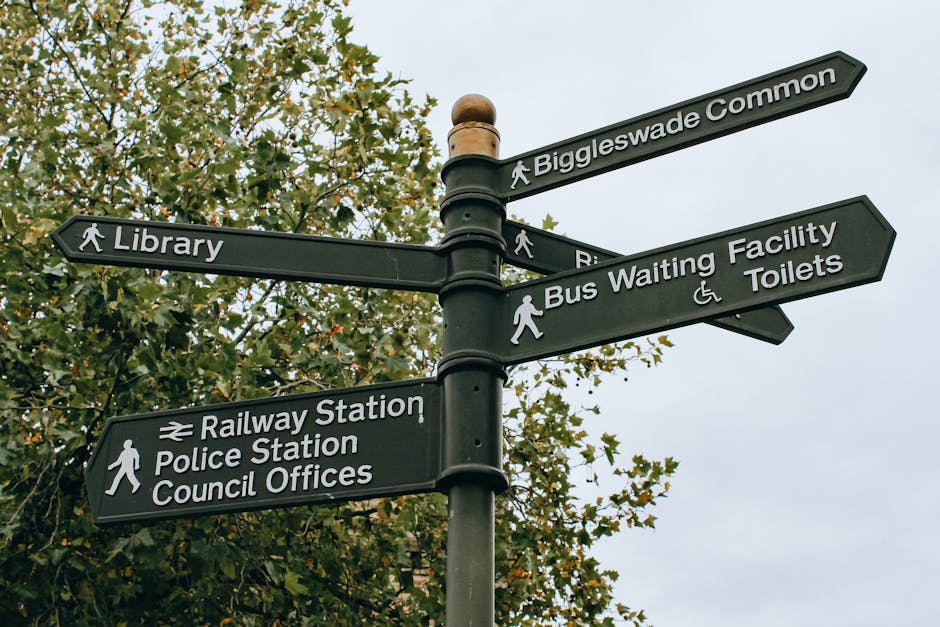
Hillingdon Council Parking Rules for Eastcote Removals
If you are moving in Eastcote, parking can make the difference between a calm removal day and a very frustrating one. Hillingdon council parking rules for Eastcote removals matter because the van needs a safe, legal place to stop, load, and leave without causing delays or attracting a ticket. In a place like Eastcote, where side streets, shared access, and tighter frontages are common, a little planning goes a long way. This guide breaks down the practical side of parking, loading, permits, timing, and common mistakes so you can move with fewer surprises and a lot less stress.
There is no magic trick here, just good preparation. But that preparation can save time, money, and a fair bit of panic on moving day. If you are also organising packing, heavy furniture, or a narrow access route, you may find our guides on packing and boxes in Eastcote, packing right for a smoother move, and Eastcote station removals and tight access tips especially useful.
Why Hillingdon Council Parking Rules for Eastcote Removals Matters
Parking is not just a logistics detail. For removals, it is often the first domino. If the van cannot stop close enough to the property, everything gets slower: more carrying, more lifting, more awkward turns, and more chances for something to get damaged. That is especially true on moving day, when boxes are stacked to the ceiling and everyone is trying not to block the street for too long.
Eastcote has a mix of residential roads, flats, terraced homes, and busier approach roads. That means the "just park outside" approach can fall apart quickly. In some spots, you may face residents' bays, waiting restrictions, single yellow lines, loading limits, or narrow kerb space that is technically legal but still impractical for a large removal van. The rules exist for traffic flow, safety, and access. For your move, though, they are mostly about avoiding delays and keeping the job smooth.
To be fair, most moving problems tied to parking are not caused by bad luck. They are usually caused by leaving the parking question until the morning of the move. That is the part people regret later. A van parked ten doors away might sound manageable until you are carrying a wardrobe through drizzle and you realise the route includes a tight bend, a step, and a parked car with its mirror out. Not ideal.
Expert summary: the best removals in Eastcote are rarely the ones with the biggest van or the fastest team; they are the ones with the cleanest access plan.
If you are deciding whether to use professional help, it is worth understanding the wider move itself too. Pages like removals in Eastcote, man with a van Eastcote, and house removals Eastcote can help you match the service to the access conditions.
How Hillingdon Council Parking Rules for Eastcote Removals Works
The exact arrangement depends on the road, the property type, and the size of the vehicle, but the process usually follows the same logic. You need to understand where stopping is allowed, whether loading is permitted, and whether any temporary parking arrangement is needed. In practical terms, the council's rules affect three things: where the van can stop, how long it can stay, and whether the stop is considered loading rather than ordinary parking.
Loading and unloading is generally treated differently from casual parking, but that does not mean every stop is automatically fine. Restrictions can still apply. For example, some areas permit loading only for short periods, while others may have time-limited bays or signs that need careful reading. If there are lines, plates, or road markings nearby, do not guess. Guessing is expensive. A removal day already has enough moving parts without playing traffic detective.
In Eastcote, the most sensible approach is usually to treat parking as part of the move plan, not as an afterthought. That means checking the property frontage, the road layout, and whether the van can safely open doors, drop a tail lift if needed, and manoeuvre without forcing pedestrians into the carriageway. If access is poor, the move may need a smaller vehicle, a staggered load, or a more tactical stopping point. For tougher access issues, see the Eastcote High Road flat removals guide for narrow streets and common problems with narrow staircases in Eastcote.
What usually affects parking on moving day
- Resident bays or permit-only stretches
- Single or double yellow line restrictions
- Loading-only spaces with time conditions
- Busier roads where stopping blocks traffic
- Tight cul-de-sacs or no-through roads
- Shared driveways, access gates, or low kerbs
That list sounds obvious, but it is the obvious things that catch people out. You notice them only when the van arrives and everyone is standing around with a mattress and a clock ticking in the background.
Key Benefits and Practical Advantages
Getting the parking side right brings much more than just peace of mind. It improves the whole move. A van closer to the door means less carrying distance, fewer pauses, lower strain on the team, and lower risk of scraping furniture or nicking walls. It is one of those invisible benefits that only becomes obvious when it is missing.
There is also the timing side. If loading is straightforward, the crew can work in a rhythm. Boxes flow out, bulky items go in safely, and the schedule stays realistic. When parking is awkward, the whole day starts to stretch. A 20-minute job becomes 40. Then 40 becomes 70. Before long, you are eating into the unpacking window or the handover time at the new place.
For a lot of Eastcote moves, the practical advantage is that planning around council parking rules reduces pressure on everyone involved. You do not need to make ten decisions at once. The van has somewhere to stop. The route is clear. The property access is known. That sounds simple, but simple is good on moving day.
- Less carrying distance from door to van
- Lower physical strain during the move
- Reduced risk of damage to furniture and property
- Fewer delays caused by parking disputes or re-parking
- Better chance of finishing the move in one continuous run
If you are moving bulky furniture or fragile items, the benefits are even more noticeable. A well-positioned vehicle can make the difference between a careful, controlled carry and a rushed one. That matters for items like sofas, beds, mirrors, and pianos. If that last one is on your list, the advice in piano removals Eastcote and why DIY piano moving is worth rethinking is well worth a read.
Who This Is For and When It Makes Sense
This guidance is useful for almost anyone moving in or out of Eastcote, but some people need it more than others. If you live on a street with controlled parking, if the property sits on a narrow road, or if the van will need to stop for more than a quick drop-off, then parking planning is essential rather than optional.
It is especially relevant if you are:
- moving from a flat with limited street access
- shifting a family home with larger furniture
- booking a man and van for a same-day move
- moving student belongings with multiple short carries
- relocating an office and needing a punctual start
- handling awkward items such as beds, sofas, freezers, or pianos
It also makes sense if you are managing the move yourself and trying to reduce costs. A cheaper van hire can become more expensive if parking problems cause delays, extra labour, or a penalty notice. That is the sneaky bit people forget. The parking issue is not always the headline cost, but it can quietly create several smaller costs.
For smaller moves, a coordinated student removals Eastcote service may be enough. For wider household moves, flat removals Eastcote, furniture removals Eastcote, or a more complete removal services Eastcote package may fit better.
Step-by-Step Guidance
If you want a practical way to approach Hillingdon council parking rules for Eastcote removals, use this sequence. It keeps the process calm and less reactive.
- Check the street outside both properties. Look for bays, lines, signs, time restrictions, access points, and anything that could block a van.
- Measure the stopping distance. Think about whether the van can open rear doors safely and whether loading can happen without blocking a junction or driveway.
- Decide whether the move needs a permit or special arrangement. In many cases, you may need to plan around restrictions rather than just assume loading will be fine.
- Match the vehicle to the street. A large van may be ideal in theory, but a smaller or more manoeuvrable vehicle can be far better in a tight Eastcote road.
- Build in extra time. Give yourself a buffer. Parking and access always take longer than you think. Always.
- Brief the removal team or driver clearly. Share gate codes, bay details, the nearest stopping point, and any notes about neighbours, school traffic, or narrow turns.
- Prepare for a Plan B. If the ideal space is taken, know the backup location before the van arrives.
That last step is the one that saves the day most often. If the first spot is blocked by a neighbour's car or a delivery van, the team can shift quickly instead of standing there in a mild state of disbelief.
Good packing helps too. If items are well labelled and boxes are ready to move, the loading stop is shorter and more efficient. Our guides on decluttering before moving house and the basics of packing right can take some pressure off before the van even arrives.
Expert Tips for Better Results
Here is the part where experience helps. After enough moves, you start to see patterns. The best parking outcomes usually come from a few small habits, not one big move.
Plan the street as carefully as the rooms
People often spend ages labelling kitchen boxes and forget to inspect the road. In reality, the street can be the main constraint. Note where the van can actually sit, where wheels can turn, and whether the pavement is wide enough for temporary loading without creating a problem.
Avoid peak traffic pressure if you can
Early starts are often calmer. Mid-morning can be fine too, but school runs, bin collections, and commuter traffic can make things awkward. A small timing tweak can make the loading process feel twice as easy. That is not an exaggeration.
Keep a small buffer between parking and handover
If the property handover or key collection is at a fixed time, build in breathing room for parking. It is far easier to arrive a little early and wait than to arrive exactly on time and then circle the block in a flap.
Protect the access route
Use floor protection, door guards, or simple padding where needed. Parking close to the door is one part of the puzzle; protecting the route between the van and the property is the other. For awkward items, it is worth reading how to move heavy objects more safely and kinetic lifting and safer lifting potential.
Ask one person to be the parking point of contact
Too many voices can muddy the plan. One person should know the rules, the route, and the fallback. It sounds small, but it prevents the classic "I thought you had it sorted" moment. We have all seen that one.
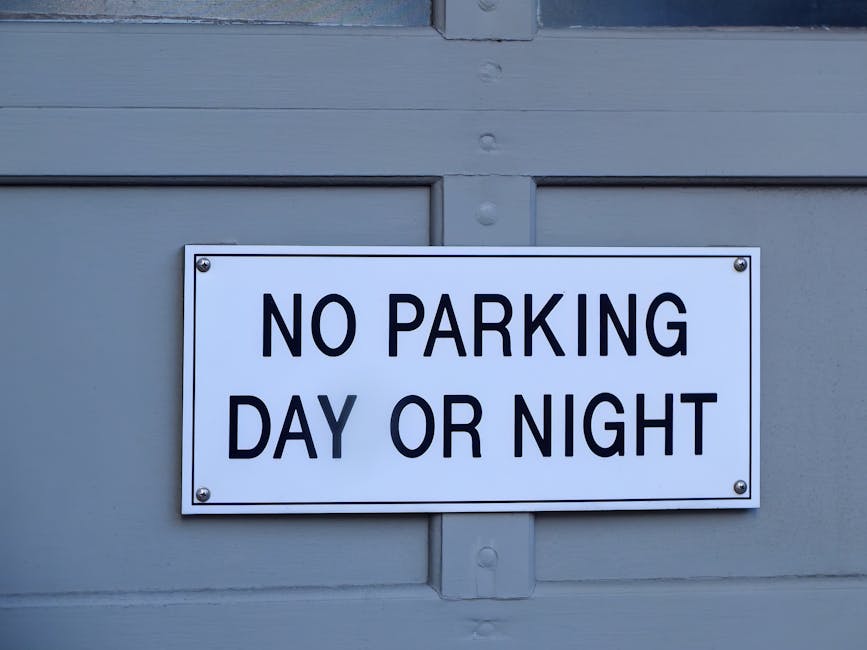
Common Mistakes to Avoid
Parking mistakes during Eastcote removals tend to fall into a few predictable buckets. The good news is they are avoidable if you know what to look for.
- Assuming loading is automatically allowed. Sometimes it is, sometimes it is not, and sometimes the time limit is tighter than expected.
- Not checking both addresses. The old place may be easy while the new one is the problem, or the other way around.
- Forgetting about neighbour access. Blocking driveways or shared entrances creates avoidable friction.
- Booking a van that is too large for the street. Bigger is not always better, especially in narrow Eastcote roads.
- Leaving parking decisions until the morning. This one causes more stress than almost anything else.
- Ignoring loading distances. A legal stop that is 40 metres away can still be a poor choice for a full house move.
One of the more frustrating mistakes is not considering the items being moved. A single sofa can be awkward enough on its own. Add stairs, a narrow gate, or a yellow line issue and suddenly the day becomes a mini obstacle course. If you are dealing with bulky furniture, our article on sofa storage and care may be useful while you plan the move itself.
There is also the paperwork side. Before the move, review your booking details, insurance cover, and timing carefully. Our pages on insurance and safety and terms and conditions are helpful reference points if you want a clearer picture of what is expected.
Tools, Resources and Recommendations
You do not need a toolbox full of specialist gear to manage parking properly, but a few simple resources make life easier. The real value comes from being organised, not from overcomplicating things.
- Printed street notes for both addresses, including door numbers, access codes, and any parking quirks
- A simple tape measure for checking whether the van can stop without overhanging awkwardly
- Box labels and room lists to shorten loading time
- Protective covers for mattresses, sofas, and fragile surfaces
- Phone photos of the street, useful if you need to brief someone else quickly
For many moves, it is also helpful to consider storage. Sometimes the parking picture is easier if not every item must travel on the same day. If that sounds relevant, take a look at storage Eastcote and guidance on non-operational freezer storage if you are dealing with appliances that need special handling.
If you need broader moving support, the site's services overview, removal van Eastcote, and man and van Eastcote pages help you compare options without overthinking it.
Law, Compliance, Standards, or Best Practice
Parking rules are not just a matter of convenience. They sit within the wider framework of road safety, local traffic control, and responsible use of public space. For removals, the safest attitude is simple: treat every restriction as real until you have confirmed otherwise. If a sign says loading only for a specific period, that is the rule you work to. If a bay is permit-only or resident-only, plan accordingly.
In UK moving practice, the standard is to avoid obstructing the highway, keep access open, and use reasonable care around pedestrians, kerbs, and parked cars. That sounds basic because it is basic. But basic done well is what prevents complaints and fines. It also helps you stay on the right side of neighbours, which is no small thing when a move already makes the street feel lively.
Best practice for Eastcote removals usually includes:
- checking restrictions before moving day
- not assuming that short stops are always permitted
- keeping loading times as efficient as possible
- using the smallest suitable vehicle where access is tight
- keeping the pavement and road safe for others
If your move involves staff, multiple helpers, or heavier items, it is sensible to pair parking planning with wider operational safety. Our health and safety policy and recycling and sustainability pages give a good sense of the standards behind the service. And if you want to know a little more about the business behind the moves, you can also visit the about us page.
Options, Methods, or Comparison Table
There is more than one way to handle parking for a removal, and the best choice depends on the road, the size of the load, and the schedule. Here is a simple comparison of the main approaches people use in Eastcote.
| Method | Best for | Pros | Drawbacks |
|---|---|---|---|
| Direct front-door loading | Quiet roads with clear access | Fast, simple, less carrying | Not always possible in controlled or narrow streets |
| Short-stay legal stop nearby | Busy roads or restricted frontages | Flexible when the frontage is blocked | Longer carry distance and more time |
| Smaller van plus shuttle loading | Tight Eastcote streets and flats | Better manoeuvrability, often safer | May take longer and needs more coordination |
| Staged loading with storage | Complex moves or delayed handovers | Reduces rush and makes access easier | Requires planning and extra handling |
The right method is usually the one that creates the least friction, not the one that sounds most impressive. A smaller van parked neatly in the right place can beat a bigger vehicle trying and failing to squeeze into an awkward gap. Every time, honestly.

Case Study or Real-World Example
A typical Eastcote move might go like this. A family is leaving a terraced house near a busier road, and the new property is a flat with limited frontage. They expect the van to park directly outside both places. On paper, that sounds fine. In reality, a neighbour's car is already in the most convenient spot, and the second property has a tighter bay than expected.
Rather than pushing ahead and hoping for the best, the move is adjusted. The team uses a closer legal stopping point at the first address, loads the heavier furniture first, and keeps the route clear with one person guiding the carry. At the second address, the van stops where it can legally and safely unload without blocking the entrance. The result? The move takes a bit longer than the original fantasy version, but it stays calm, legal, and damage-free.
That is usually how good removals actually work. Not with perfect conditions. With a decent plan, a backup plan, and enough flexibility to cope when the street does its own thing.
For similar situations, the articles on same-day removals in Eastcote, Eastcote House Gardens moves, and route planning from Pinner Road to Rayners Lane offer practical context for planning around access and timing.
Practical Checklist
Use this checklist before moving day. It is deliberately simple, because moving days are not the right time for a grand theory.
- Check parking signs outside both properties
- Note any permit, resident bay, or loading restrictions
- Confirm where the van can stop legally and safely
- Measure the distance from stop point to entrance
- Identify a backup stopping place
- Share access notes with the driver or removal team
- Protect the route from van to property
- Prepare items so loading is quick and efficient
- Keep neighbours' access and driveways clear
- Allow extra time for parking and access delays
- Have a contact number ready for the moving lead
Quick reminder: if the parking plan looks weak on paper, it will usually feel worse in real life. Tweak it before the move, not during it.
For help with the wider move, you may also want to review pricing and quotes, payment and security, and contact if you need to ask a practical question before booking.
Conclusion
Hillingdon council parking rules for Eastcote removals are not the most glamorous part of moving, but they are one of the most important. If you get the parking right, the rest of the day usually feels lighter. Loading is cleaner. The team works faster. Your furniture is safer. And the whole thing just feels more under control.
Truth be told, most moving stress comes from uncertainty, not from the boxes themselves. Parking rules remove one big unknown. That is why a simple, careful plan can make such a difference, especially on narrow Eastcote streets where every metre counts. Keep an eye on signage, stay realistic about access, and build in a buffer. Small steps. Big payoff.
Get a free quote today and see how much you can save.
And if this move has already taught you anything, it is probably this: the calmest moving day is the one that was prepared for the day before.

