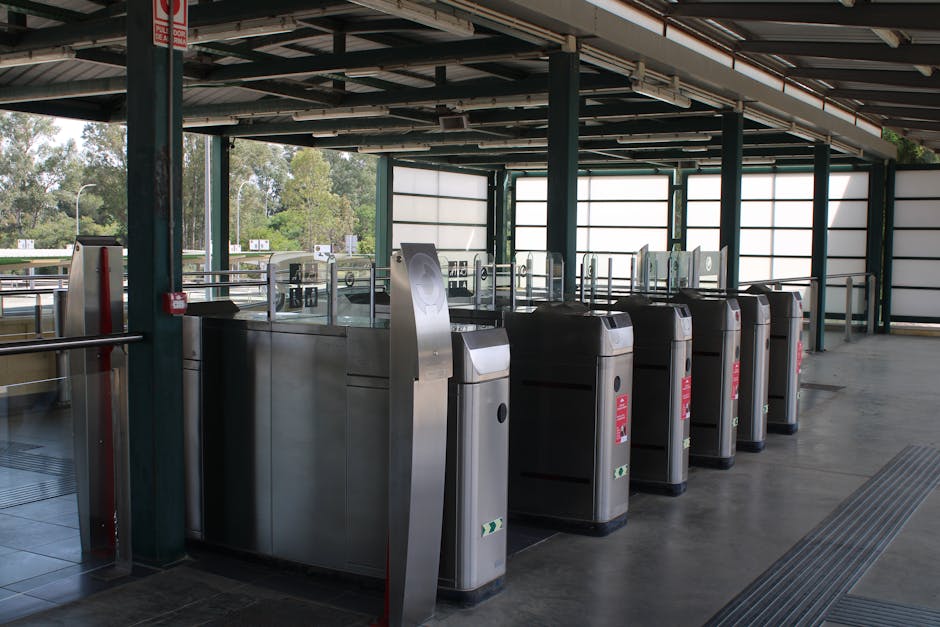




Eastcote station removals tips for tight access
Posted on 28/04/2026
Eastcote Station Removals Tips for Tight Access: A Practical Guide for Smooth Moves
Moving near a busy station can be straightforward on paper and awkward in real life. Narrow roads, shared entrances, parked cars, low kerbs, steep steps, and limited waiting space can all turn a normal relocation into a careful logistics job. If you are looking for Eastcote station removals tips for tight access, the good news is that the right preparation makes a big difference. The move does not need to be stressful or improvised.
This guide walks through the planning, packing, access checks, lifting strategy, and vehicle choices that matter most when space is tight around Eastcote station. It also explains when a smaller vehicle, a careful route plan, or a professional man with a van in Eastcote can save time and reduce risk. If you are moving from a flat, a maisonette, or a property with tricky external access, the details here will help you avoid the most common problems.
In short: tight access is manageable, but only if you treat it like a planning exercise rather than a last-minute lifting challenge.
Why Eastcote Station Removals Tips for Tight Access Matters
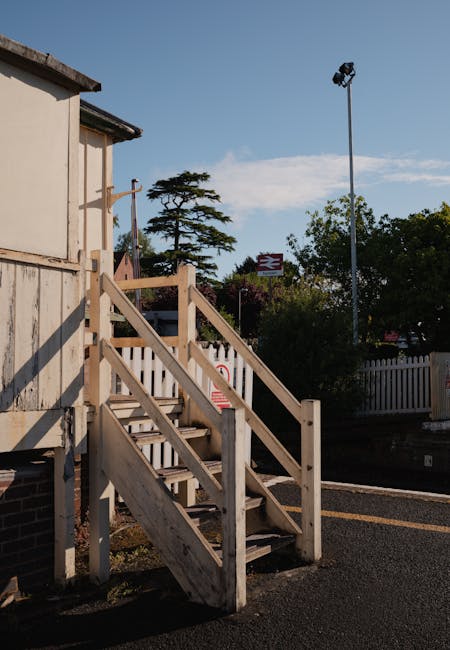
Moves around stations are rarely wide-open and easy. Even when the property itself is small, the surrounding access can be the real challenge. Think of busy pavements, residents coming and going, awkward corners, and little room to stage boxes or furniture. When access is tight, every extra trip costs time and every awkward turn adds risk.
This matters for a few practical reasons. First, tight access increases the chance of damage to items, walls, doors, and communal hallways. Second, it can affect how long the move takes, which matters if you are working around train times, parking restrictions, or a building window for loading. Third, it changes what size vehicle and what sort of moving team is appropriate. A large van is not always the best answer; sometimes a smaller removal van in Eastcote is the smarter choice.
There is also a stress factor people underestimate. Tight access usually means you cannot just carry on blindly. You need a route, a staging area, and a realistic idea of what will fit through each doorway, stairwell, and landing. That is why planning beats brute force every time.
For a useful starting point on the broader moving process, many readers also find it helpful to review practical home transitioning techniques alongside their access plan.
How Eastcote Station Removals Tips for Tight Access Works
At a simple level, tight-access removals work by reducing uncertainty before moving day. You identify the access limits, match the vehicle and equipment to those limits, and prepare your belongings so they can be moved in controlled stages.
In practice, the process usually follows this pattern:
- Check the access points. Measure door widths, stair turns, hallway bottlenecks, and any sharp bends around the building or entrance.
- Plan parking and drop-off. Decide where the van can stop without blocking traffic, residents, or pedestrian access.
- Break items down where possible. Beds, tables, and some furniture should be dismantled in advance if they are too awkward to carry as one piece.
- Protect and stage. Wrap items, label boxes, and keep the most fragile or difficult objects accessible.
- Move in the right order. Start with clear paths and larger pieces before the space fills with boxes and packaging.
The point is not to make the day slower; it is to make it predictable. Predictable moves feel calmer, and calmer moves are usually faster too. That is especially true near stations where you may have less tolerance for delays, waiting, or repeated reshuffling of the van.
If you are packing from scratch, a strong companion read is the basics of packing right, which covers the kind of preparation that makes narrow-access moves much easier.
Key Benefits and Practical Advantages
A good tight-access plan does more than prevent damage. It can improve the entire moving day from start to finish.
- Less handling risk: Fewer unnecessary lifts mean fewer chances of scratches, knocks, or dropped items.
- Better time control: A planned route reduces backtracking and the "where can we put this for now?" problem.
- Smarter vehicle use: Choosing the right van size can avoid wasted fuel, wasted trips, and awkward parking issues.
- Lower physical strain: Tight corridors and staircases make heavy items harder to manage, so good planning protects both people and belongings.
- Reduced neighbour disruption: Efficient loading and unloading is generally more considerate in shared areas.
- Cleaner handover: If you are leaving a flat or rental property, a well-run move makes final cleaning and inspection easier.
There is another practical advantage worth saying plainly: good planning often saves money. Not because access is "cheap," but because inefficiency is expensive. A move that takes twice as long usually costs more in labour and creates more risk of avoidable damage.
Expert summary: if access is tight, the job is won before the van arrives. The best moves are usually the ones where the team has already worked out the problem in advance.
Who This Is For and When It Makes Sense
These tips are relevant for anyone moving in or around Eastcote station, but they are especially useful if your situation includes one or more of the following:
- flats above shops or in purpose-built blocks
- narrow stairwells or landings
- limited roadside stopping space
- shared entrances or access-controlled doors
- heavy furniture that cannot easily be turned in place
- parking restrictions, time limits, or busy commuter traffic
- awkward items such as pianos, wardrobes, sofas, or mattresses
It also makes sense if you are moving on a tight deadline. Station-area moves often involve overlapping schedules: checkout times, train travel, work commitments, and building access windows. If you are under time pressure, the value of a well-organised service such as same-day removals in Eastcote becomes obvious very quickly.
Students, renters, and small households can also benefit from a leaner approach. A well-planned flat removals service is often a better fit than trying to force a larger, more cumbersome setup into a tight street or courtyard.
Step-by-Step Guidance
Here is the practical version of how to handle a move with limited access around Eastcote station.
1. Measure the route, not just the room
People often measure furniture and forget the route it has to travel. That is a mistake. Measure door frames, hallway widths, turning spaces, banisters, steps, external gates, and any tight corners between the property and the van. A sofa may fit through the front door and still fail at the stair landing. That is the kind of problem you want to discover before moving day, not during it.
2. Decide what should be dismantled
Some furniture is better moved in pieces. Bed frames, wardrobes, dining tables, and some desks are much easier to handle once they are broken down. If you are unsure, look at the item's shape and ask a simple question: will this move more safely if it is shorter, lighter, or flatter? For mattresses and bed bases, our readers often pair this with bed and mattress relocation guidance.
3. Pack for liftability, not just storage
Boxes packed to the brim are awkward, especially in narrow spaces. Use smaller cartons for books and heavier items. Keep medium boxes under control. Leave room for safe handholds. It is not glamorous advice, but it works.
If you need help tightening up your approach, the article on packing efficiently is a sensible companion.
4. Clear the load-in and load-out areas
Before the van arrives, clear the hallway, entry path, and any staging point near the door. Remove bins, bikes, loose plant pots, and anything else that could force a detour. If you are in a shared building, tell neighbours when the move is happening so the entrance is less likely to be blocked at the worst possible moment.
5. Load in a sequence that protects the fragile stuff
Loading order matters more than most people think. Heavy, stable items usually go in first. Fragile items are secured after that, with soft protection and sensible stacking. The idea is to build a stable load, not a chaotic Tetris tower that wobble-tests every bend in the road.
6. Re-check the exit route before every major lift
In tight access, the route can change once items start moving. A box pile, open door, or parked vehicle can create a new obstacle. A quick visual check before each large item leaves the property can prevent a sudden pause in the middle of a staircase.
7. Keep one person in charge of flow
Even with a small team, it helps to have one person coordinating the order of moves, the van position, and the next item. Too many voices can slow the job down. One calm organiser makes the process feel professional rather than improvised.
Expert Tips for Better Results
A few small decisions can make a big difference in a tight-access move. These are the details professionals notice quickly.
- Use furniture blankets and corner protection early. Do not wait until the first scrape. Protect items before they enter the tightest parts of the route.
- Choose the right gloves and footwear. Good grip matters when you are turning on stairs or carrying awkward loads.
- Keep hardware together. Screws, brackets, and shelf pins should be bagged and labelled by item.
- Use straps, sliders, and a trolley only where appropriate. Equipment helps, but only if the route and floor surface suit it.
- Think about the weather. Rain makes entrances slick and can complicate carrying cardboard, cushions, or mattress covers.
- Work with item shape, not just item weight. A light but awkward item can be harder to move than a heavier one with a good grip point.
If you are relocating a sofa or soft furnishings, the advice in sofa storage and handling guidance is particularly useful because upholstery is easy to damage when corners are tight.
And if you are moving high-value or awkward specialist items, it is usually wiser to bring in the right help than to improvise. For example, piano removals in Eastcote are not the place to test your optimism.
Common Mistakes to Avoid
Tight access exposes poor planning fast. These are the errors that cause most of the headaches.
- Booking a van that is too large. Bigger is not better if it cannot park or manoeuvre safely.
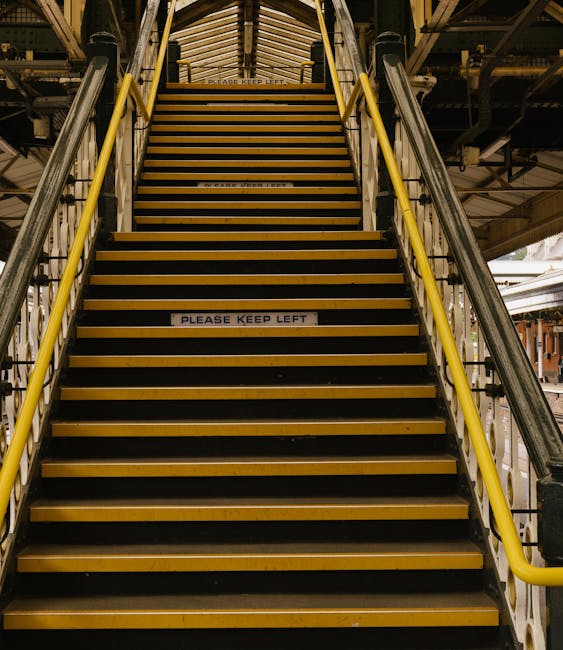
- Failing to measure bends and stair turns. The route is often more important than the room dimensions.
- Overpacking boxes. Heavy, unstable boxes are risky on stairs and awkward in narrow hallways.
- Leaving dismantling until moving morning. That creates delay and usually frustration.
- Ignoring building rules. Shared properties may have access expectations that affect timing and loading.
- Blocking the entrance with staged items. This can slow the move and irritate neighbours quickly.
- Trying to carry everything in one go. More trips with smaller, manageable loads are often safer and faster.
A common example is the classic "it should just fit." That phrase has caused more moving-day problems than most people admit. Truth be told, a few extra minutes with a tape measure are cheaper than a damaged wall or a stuck wardrobe.
If you want to reduce volume before the move, the guide on decluttering before moving house is worth a read. Less stuff always makes tight access easier.
Tools, Resources and Recommendations
You do not need a huge toolkit, but the right basics matter.
| Tool or resource | Why it helps in tight access | Best use case |
|---|---|---|
| Measuring tape | Confirms whether furniture and boxes will fit through the route | Before dismantling or booking transport |
| Furniture blankets | Protects items and walls from knocks in narrow spaces | Sofas, tables, wardrobes, appliances |
| Sturdy tape and labels | Keeps hardware and room contents organised | Dismantled furniture and boxed items |
| Hand trolley or sack truck | Reduces lifting load where the surface and space allow | Heavier boxes and appliances |
| Protective covers | Helps keep fabric and mattresses clean during carrying | Bedrooms, soft furnishings, seasonal storage |
For general moving prep, a useful supporting resource is packing the right way, while a service page like packing and boxes in Eastcote can help if you want a more structured, hands-on solution.
If your move includes storage between properties, that can also simplify access on the day by reducing the number of items that need to be taken through tight spaces at once. See storage in Eastcote for a practical option.
Law, Compliance, Standards and Best Practice
For a move near a station or in a busy residential area, the main compliance issues are usually practical rather than legal drama. That said, good practice matters.
You should always consider:
- Parking and waiting restrictions: local rules may affect where a vehicle can stop and for how long.
- Access to communal areas: flats and managed buildings may have house rules around lift use, loading bays, or move timings.
- Manual handling safety: teams should lift in a controlled way and avoid unnecessary strain.
- Insurance and item protection: it is sensible to understand what cover is in place before the move starts.
- Building and neighbour courtesy: keeping doors clear and pathways safe is part of a professional standard, not a nice extra.
On the service side, it is wise to work with a provider that is transparent about its approach to safety, conditions, and customer support. Pages such as health and safety policy, insurance and safety, and terms and conditions are useful because they help set expectations before moving day.
Best practice is simple: plan carefully, communicate early, and do not assume tight access will behave like an empty driveway. It usually will not.
Options, Methods, or Comparison Table
Different moves need different approaches. Here is a straightforward comparison to help you decide what fits.
| Method | Best for | Pros | Trade-offs |
|---|---|---|---|
| DIY with a hired van | Smaller moves with clear access | Flexible and potentially lower cost | More work for you; access mistakes can become expensive |
| Man and van service | Medium or awkward moves with limited space | Good for narrow streets and quick loading | May need careful scheduling and clear instructions |
| Full removals team | Larger homes or more complex access | More hands, more control, better for heavy items | Usually more involved to arrange |
| Split move with storage | Cluttered homes or phased relocations | Reduces congestion on the day | Extra handling stage and planning required |
If you are comparing service levels, start with the Eastcote services overview and then narrow down to the right fit. For instance, a house removals service in Eastcote suits a fuller property move, while furniture removals in Eastcote are better when you mainly need help with bulky items.
Case Study or Real-World Example
Imagine a move from a first-floor flat near Eastcote station. The stairwell is narrow, the front path is shared, and there is no spare driveway space. The biggest item is a sofa, followed by a mattress, a chest of drawers, and several medium boxes.
Here is how a sensible plan would work:
- The sofa is measured before the move and checked against the turning points at the stair landing.
- The bed frame is dismantled the day before, with screws bagged and labelled.
- Boxes are repacked so the heaviest items go into small cartons, not oversized ones.
- The van is positioned to minimise carry distance without blocking foot traffic.
- Fragile items are loaded after the larger, more stable furniture.
- One person keeps the route clear while another manages the next load.
The result is usually a move that feels controlled rather than chaotic. No one has to squeeze a wardrobe around a blind corner at full pace. No one has to guess whether a box is too heavy. And the entrance stays usable for the people who live there, which is always appreciated.
For items such as sofas, mattresses, or white goods, this kind of structure pairs well with guides like moving beds and mattresses and storing or handling a freezer safely when appliances are part of the plan.
Practical Checklist
Use this checklist before moving day if access is tight around Eastcote station.
- Measure doors, hallways, stairs, and the tightest corner on the route
- Check whether furniture needs to be dismantled
- Confirm where the van can park or pause
- Notify neighbours or building management if needed
- Pack heavy items into smaller boxes
- Label fragile boxes clearly
- Keep screws, brackets, and fittings in sealed bags
- Protect furniture edges and corners
- Clear the entrance and the main path
- Prepare a staging spot for the first items out
- Confirm the moving order for awkward or high-value items
- Keep water, phones, and essentials separate from the main load
- Review insurance and service expectations beforehand
Quick takeaway: if the move feels tight on paper, make it simple in practice. Measure carefully, reduce load size, and keep the route as clear as possible.
Conclusion
Moving near Eastcote station does not have to be difficult, even when access is tight. The key is to respect the space you actually have, not the space you wish you had. Measure properly, choose the right vehicle, dismantle what makes sense, and keep the route clear from start to finish.
Most moving problems in tight-access areas are avoidable. They happen when people assume the building, street, or staircase will be forgiving. Usually, it is better to plan as if every extra inch matters, because on moving day it often does. If you do that, the process becomes much easier to manage and far less stressful for everyone involved.
For a smooth next step, review the service pages, compare your options, and keep your access plan simple and realistic. If you need help with a move that includes bulky furniture, restricted parking, or a narrow staircase, a professional local team can make the whole thing feel far more manageable.
Get a free quote today and see how much you can save.
To speak with the team directly, visit the contact page and share the details of your access, item list, and preferred moving date.