




Eastcote removals for narrow staircases common problems
Posted on 10/06/2026
Eastcote Removals for Narrow Staircases: Common Problems and Practical Fixes
If you are planning a move in Eastcote and your staircase looks more like a squeeze than a route, you already know the headache this can cause. Eastcote removals for narrow staircases common problems are not just about bulky sofas or awkward beds; they are about angle, timing, protection, and keeping everyone safe while the move actually gets done. The good news? Most of the usual issues can be anticipated, measured, and handled without turning moving day into a minor disaster. In this guide, we will walk through what typically goes wrong, why it matters, and how to plan a calmer, cleaner move.
Before we get into the details, it helps to understand that tight staircases are not a niche annoyance. They affect flats, maisonettes, terraced homes, converted houses, and older buildings all over the area. One awkward turn, one low ceiling, one banister a bit too close, and suddenly a straightforward move becomes fiddly. That is where proper planning pays off. If you want a broader overview of the services behind a smoother move, the services overview is a useful starting point.

Why Eastcote removals for narrow staircases common problems Matters
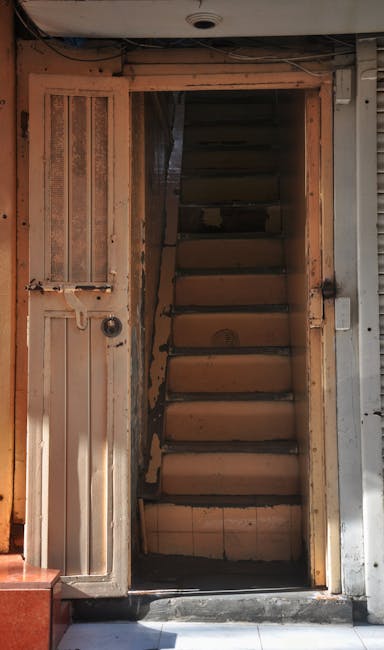
Narrow staircases create a very specific kind of moving risk. They can slow the job down, increase the chance of damage, and make heavier furniture feel twice its actual size. It is rarely one giant problem. More often, it is a series of small friction points: a sofa that will not tilt enough, a mattress that catches the wall, a washing machine that suddenly feels like it grew overnight, or a wardrobe that makes the landing look absurdly tiny.
This matters because the staircase is often the bottleneck. You may have a good van, enough hands, decent boxes, and a solid route into the street, but if the internal access is too tight, the move can stall. In Eastcote, that becomes especially relevant in homes where stair widths vary from floor to floor, or where hallways turn sharply right at the bottom. A move that looks fine on paper can unravel fast when the first item reaches the first bend.
There is also the safety side. Carrying heavy items down cramped stairs can put strain on backs, hands, shoulders, and ankles. No one wants a rushed, sweaty, slightly ridiculous stumble on the landing. Truth be told, most injuries in this sort of move happen when people try to force a piece through rather than stop and re-plan.
Expert summary: Tight staircases do not just make removals slower; they change the whole strategy. Measure early, reduce load size where possible, protect the building, and do not assume "it will just fit" because it almost certainly will not, not without a bit of thought.
If you are still deciding between a larger team, a smaller vehicle, or a more flexible removal setup, it can help to compare options on the removals Eastcote page or explore the practical differences between man with a van Eastcote and more structured moving support.
How Eastcote removals for narrow staircases common problems Works
Handling a staircase-heavy move is less about brute strength and more about sequence. The best teams begin with assessment. They look at the staircase width, landing space, handrail position, ceiling height, the sharpness of corners, and the route from room to exit. Even one small obstruction, like a light fitting or a awkward radiator placement, can change the entire movement plan.
Next comes item triage. Not every item should be moved in the same condition it was stored in. Beds may need disassembly, wardrobes may need removing from their doors or shelves, and sofas may need protective wrapping before they are attempted on the stairs. This is where a bit of planning saves a lot of swearing later. A careful packing approach helps too, and the advice in packing the right way for moving day is genuinely useful if you want to reduce awkward handling from the start.
After that, the carrying plan matters. A good mover will not just "lift and go". They will rotate, pause, test angles, and communicate clearly. One person leads, one supports, and both know when to stop. That may sound simple, but on a tight staircase simple is what works.
Sometimes, the solution is not to push harder but to change the item. A sofa can be unpacked, a bed frame broken down, and some furniture moved via different routes. For oversized or fragile pieces, specialised help may be the safer route, especially if you are dealing with a piano or a piece with awkward weight distribution. The guidance in why DIY piano moving can go wrong explains that idea well, even if your current move is not musical in the slightest.
Common staircase bottlenecks you should expect
- Too little width for a straight carry
- Landings that do not allow a clean turn
- Low ceilings near the top of the stairs
- Banisters or handrails reducing clearance
- Wall corners that scuff or snag large items
- Heavy furniture that becomes unstable when tilted
- Confusion between movers when visibility is poor
None of these problems is unusual. They are just the sort of thing that appears when real homes meet real furniture. Moving day can still go well, but the route needs to be respected.
Key Benefits and Practical Advantages
When narrow staircase moves are handled properly, the benefits are immediate and very practical. First, there is less damage. Walls stay cleaner, doors stay unmarked, and furniture arrives looking like the furniture you paid for rather than something that had a bad afternoon. Second, the move usually becomes faster overall because fewer items need to be wrestled, rotated, or sent back downstairs to try again.
There is also a genuine stress reduction. That matters more than people think. When the staircase is already a known problem, anxiety tends to build before the boxes have even left the hallway. A clear plan cuts through that. You know what is being taken apart, what needs protection, and what might require a different route or a different team size.
Another benefit is better protection for the building itself. Narrow staircases are often found in older homes where paintwork, plaster, and trims are a bit more delicate. A careful move avoids those annoying little scrapes that somehow feel bigger than they are. You only need to chip one wall edge once to understand the value of padding.
And yes, there is the benefit that people quietly care about but rarely say out loud: fewer arguments. A move with no clear staircase strategy tends to create friction between family members, friends, and whoever happened to say "it'll be fine" at the start. It usually is not fine until a better plan appears.
For some households, especially flats or split-level properties, using a service aligned with flat removals Eastcote can make the process feel far less improvised. If your furniture is also large, a specialist approach via furniture removals Eastcote may be the cleaner fit.
Who This Is For and When It Makes Sense
This kind of planning is for anyone whose home layout makes standard moving awkward. That includes people in upper-floor flats, maisonettes, converted buildings, terraced houses with compact stairwells, and properties where the staircase turns sharply around the landing. If you live in Eastcote and have already tried to move a sofa halfway up the stairs just to see what happens, you probably know exactly what we mean. It looked possible. Then it didn't.
It also makes sense if you have any of the following:
- Large sofas or corner units
- Bed frames that do not fully dismantle
- Heavy white goods
- Wardrobes with fixed panels
- Fragile items that cannot be squeezed or bent
- Limited helper numbers on moving day
Some people think narrow staircases only matter for big homes, but that is not really true. Small properties can be more difficult because everything is condensed. There is less room to pivot, less room to wait, and less room to breathe if the move gets complicated. A move from a compact flat can sometimes be more technical than a bigger house move.
If you are a student moving between rooms or flats, the issue still matters. Smaller furniture may still be awkward on older staircases, especially where luggage, boxes, and desk pieces need to be carried through quickly. In those cases, a lighter-touch service such as student removals Eastcote can be a sensible fit.
Step-by-Step Guidance
Here is the part that usually saves the day: a proper, unhurried process. You do not need perfection. You just need the right order.
- Measure the problem points. Check staircase width, landing width, ceiling clearance, and the size of the biggest items. Measure twice if the item is especially awkward. Once is rarely enough when the item is a sofa pretending to be a doorway.
- Identify what can be dismantled. Beds, wardrobes, tables, and modular furniture often move more safely in parts. If something can be split down without causing damage, do it before the move begins. You will thank yourself later.
- Protect the route. Use covers, blankets, and floor protection on stairs, bannisters, and tight corners. Even careful movers can brush a wall when turning a mattress or cabinet.
- Prepare the item. Remove shelves, drawers, loose accessories, cables, and anything that could shift. If the load is top-heavy, rebalance it or move it differently.
- Assign roles clearly. One person should lead the item and call the pace. The other should guide from behind or below. Mumbled instructions on a staircase are not helpful. At all.
- Test the angle before committing. A piece that looks impossible sometimes fits when rotated a few degrees. Equally, a piece that looks possible can snag at the first turn. So test gently.
- Stop if the move starts to force. If it is grinding, wobbling, or scraping, pause and reset. Do not "just push through". That sentence has caused so much avoidable damage over the years.
- Use an alternative plan if needed. Sometimes a different route, an extra pair of hands, or temporary storage is the smarter option. There is no shame in changing the plan when the stairs win the first round.
If you need somewhere to keep items while you work around access issues, storage Eastcote can be a sensible buffer. And if your move is happening fast, you may also find same day removals Eastcote helpful, though tight stairs still need the same careful prep.
Expert Tips for Better Results
The smallest improvements often make the biggest difference. In our experience, a move becomes much easier when you stop treating the staircase as a single obstacle and start treating it as a sequence of mini-obstacles. Each landing, turn, and corner deserves its own plan.
Here are some practical tips that really help:
- Remove wall art, lamps, and loose items before the move starts
- Keep a clear path from room to staircase, not just on the stairs themselves
- Wrap corners and hard edges with proper protection, not just a thin blanket that slips off
- Use furniture straps or blankets to improve grip and control
- Keep tools, screws, and fixings in labelled bags so dismantled items can be rebuilt easily
- Move the bulkiest item first while energy and concentration are highest
A slightly overlooked tip is to think about timing. Early morning moves tend to feel calmer. Less traffic, fewer interruptions, and generally less "where did that box go?" noise drifting through the house. A quieter stairwell is a kinder stairwell.
Also, use your own body honestly. If you feel your grip slipping or your shoulder twisting awkwardly, stop. This is not a toughness contest. Even seasoned movers know when a carry needs to be reset. That kind of judgement is part of the job, not a sign of weakness.
If you want to improve your lifting technique as well as your setup, the article on lifting safely and efficiently gives a practical overview without making it sound like gym class. And if bulky seating is part of your move, sofa storage and handling advice can also help with protection and planning.
Common Mistakes to Avoid
The biggest mistakes on narrow stair moves are rarely dramatic. They are usually small, understandable, and repeated far too often.
- Not measuring properly. Guessing the clearance is a classic problem. Guessing is not a strategy.
- Leaving dismantling too late. If you are still taking screws out when the team is already at the door, you are making the move harder than it needs to be.
- Ignoring the landing space. Plenty of items fit at the staircase itself but fail at the turn. That corner is often the real test.
- Forgetting wall protection. A narrow staircase can turn a tiny bump into a visible scuff fast.
- Using too many people without coordination. More hands are not always better if nobody is leading clearly.
- Trying to save time by skipping a pause. Pauses are not delays. They are prevention.
Another common error is assuming the same approach will work for every item. A mattress, a fridge, a table, and a wardrobe each behave differently in a staircase. What fits one may absolutely refuse the next. Funny, really. Furniture has moods.
If you are comparing providers, it is worth looking at the broader professionalism behind the move, not just the van size. Pages like removal companies Eastcote and removal services Eastcote can help you judge what level of support you actually need.
Tools, Resources and Recommendations
You do not need a warehouse full of specialist kit, but the right basic tools make a real difference. Good removal blankets, tape, straps, gloves with grip, and corner protection can turn a stressful staircase into a manageable one. Dollies and trolleys are useful too, though they are not magic. Some staircases are simply too narrow to rely on wheels for the whole journey.
Useful items to have ready:
- Furniture blankets and wrap
- Strong tape and labelled bags for screws and fittings
- Gloves with decent grip
- Protective covers for floors and bannisters
- Basic tools for dismantling beds, tables, and cabinets
- Ratchet straps or lifting straps where suitable
It also helps to have a sensible packing method. Heavier boxes should be kept manageable, not overloaded in the hope of making fewer trips. That only sounds efficient until the second floor. The packing guidance in mastering the basics of packing is a good companion read here.
If you are still at the planning stage, use a simple rule: protect first, dismantle where sensible, and only then start moving. That order saves a lot of awkward improvisation. For householders who want to declutter before the move, decluttering before moving house is a useful way to reduce load weight and reduce staircase pressure.
Law, Compliance, Standards, or Best Practice
For a move like this, the legal side is less about one dramatic rule and more about basic duty of care. In UK removals practice, the expectation is that items are handled safely, property is protected reasonably, and staff or helpers are not placed in avoidable danger. That applies whether the move is small or large.
Best practice normally includes risk-aware lifting, clear communication, proper equipment, and sensible judgement about what can be moved safely through a tight route. If a staircase is extremely narrow or a piece of furniture is unmanageable, the right move is to stop and reassess. Forcing an item into place is not a clever workaround; it is how damage and injury happen.
It is also smart to check the move terms, insurance position, and safety expectations before moving day. If you are booking a professional service, reviewing the insurance and safety information and the health and safety policy can help set expectations clearly. That is especially useful if the staircase is old, steep, or difficult to navigate.
Accessibility matters too. If a building has limited access or if a resident has mobility concerns, the move should be planned around safe movement routes and practical support. A quick glance at the accessibility statement may also help you understand how the business thinks about user needs more broadly.
Options, Methods, or Comparison Table
There is more than one way to handle a staircase move. The right choice depends on furniture size, property layout, and how much help you have on the day. Here is a straightforward comparison.
| Method | Best for | Strengths | Drawbacks |
|---|---|---|---|
| DIY with friends | Small loads, simple stairs, light furniture | Low direct cost, flexible timing | Higher risk of damage, less coordination, tiring on tight turns |
| Man and van support | Moderate moves, flats, mixed furniture | More flexibility, often faster than DIY, useful for awkward access | Still requires good planning for narrow staircases |
| Specialist removal team | Large homes, heavy items, fragile furniture, tricky staircases | Better handling, more experience, more likely to anticipate bottlenecks | Usually costs more than a basic hire-and-help setup |
| Hybrid approach | Moves needing storage, partial dismantling, or staggered access | Good balance of control and support | Needs more coordination across timings and item staging |
For many Eastcote homes with tight stairs, the hybrid or man-and-van model makes the most sense. It is often the middle ground between "we'll just wing it" and "let's bring every possible person into the hallway". If you are comparing options, man and van Eastcote and removal van Eastcote are useful pages to weigh up.
Case Study or Real-World Example
A typical Eastcote move might involve a top-floor flat with a narrow staircase, a two-seat sofa, a double bed frame, and several boxes of books. On paper, that does not sound especially dramatic. In reality, the sofa is the issue. It clears the front door with a careful tilt, but the staircase turns sharply at the landing and the banister cuts the available space down just enough to make the carry awkward.
In a situation like that, the sensible response is not to force the sofa through in one piece. The team might first remove the legs, wrap the arms, and test the route again. If it still resists, the better option may be to move the bed frame first, clear some floor space, and then return with a different angle and fewer people crowding the stairwell. I have seen that shift turn a stressful half-hour into a surprisingly calm ten minutes. Not magic. Just method.
One particularly useful habit is to stage items in the room nearest the exit rather than carrying them one by one to the stairs and blocking the route. That little change keeps the staircase clear and gives the lead mover more room to think. You would be surprised how often that alone changes the whole rhythm of the day.
If the move includes a piano, the stakes rise quickly, and professional support becomes much more important. The dedicated piano removals Eastcote service exists for exactly this sort of heavy, delicate, awkward item. And if you are preparing the destination home too, the practical advice on cleaning before new occupants arrive is a helpful finishing touch.
Practical Checklist
Use this checklist before the first item is carried:
- Measure staircase width, landing space, and ceiling clearance
- Measure the largest furniture pieces on every relevant side
- Decide what will be dismantled before moving day
- Clear the staircase, hallway, and nearby rooms of loose items
- Protect bannisters, corners, walls, and floors
- Label screws, fittings, and small components
- Assign one clear lead person for each tricky carry
- Keep lifting straps, blankets, and tools within reach
- Plan where boxes will be staged so the stairwell stays free
- Have a backup option if an item does not fit as expected
- Check timing, parking, and access before the team arrives
- Review insurance, terms, and safety expectations if using a professional mover
One small but useful addition: keep a bottle of water handy and take two minutes between bulky items. It sounds obvious, but people forget. Moving is physical work, and a tired grip is not a reliable grip.
Conclusion
Narrow staircases do not have to make Eastcote removals complicated, but they do demand a more thoughtful approach. The common problems are usually predictable: poor measurements, awkward angles, fragile walls, and items that are too ambitious to carry without a plan. Once you recognise those patterns, the whole move becomes easier to manage.
The safest and smoothest moves are rarely the fastest at the beginning. They are the ones where people pause, assess, protect, and then move with confidence. That is what makes the difference between a stressful scramble and a solid, workable day. To be fair, that is the bit most people want anyway: less chaos, more control, and no bruised corners on either the furniture or the hallway.
If you are comparing services or want help planning a move with tight internal access, it is worth reviewing the relevant support pages first and then speaking with the team directly. A bit of early planning now can save a lot of heavy lifting later.
Get a free quote today and see how much you can save.
And if you take one thing away from this guide, let it be this: narrow staircases are a puzzle, not a dead end. Solve the puzzle calmly, and the move usually follows.